Is your pressure profile improving your espresso-or quietly ruining it?
When pressure ramps too fast, stalls mid-shot, or refuses to repeat, even a great grinder and dialed-in recipe can produce sour, harsh, or hollow espresso.
This step-by-step guide shows you how to diagnose pressure profiling problems at the source: pump behavior, flow restriction, puck resistance, pre-infusion settings, valves, sensors, and user technique.
By the end, you’ll know how to read the symptoms, isolate the fault, and restore consistent, intentional pressure control shot after shot.
Understanding Espresso Pressure Profiling: Why Pressure Curves Affect Extraction, Flow Rate, and Flavor
Pressure profiling controls how water pressure changes during an espresso shot, and those changes directly affect extraction yield, flow rate, crema, and flavor clarity. A flat 9-bar profile can work well, but it is not always ideal for lighter roasts, dense coffee, or baskets with high puck resistance.
In practice, pressure and flow are linked: higher pressure can increase extraction force, but if the puck is poorly prepared, it may also expose channeling faster. For example, on a machine like the Decent Espresso DE1, you might see pressure spike while flow suddenly rises, which often means water has found a weak path through the coffee bed.
A typical pressure curve has three useful stages:
- Pre-infusion: Low pressure wets the puck evenly and reduces early channeling.
- Peak pressure: Higher pressure drives extraction and builds body.
- Declining pressure: Lower pressure near the end can reduce bitterness and harsh dryness.
When troubleshooting espresso machine pressure profiling, do not look at pressure alone. Compare it with shot time, beverage weight, grind size, puck prep, and a good espresso scale, because a beautiful pressure graph can still taste sour if the flow rate is too fast.
A real-world sign of a profile problem is a light roast shot that starts slowly, then gushes after 15 seconds and tastes sharp. In that case, lowering peak pressure, extending pre-infusion, or grinding slightly finer may deliver better extraction than simply increasing pump pressure or adjusting the OPV valve.
How to Diagnose Pressure Profiling Problems Step by Step: Pumps, Valves, Grind Size, and Flow Restriction
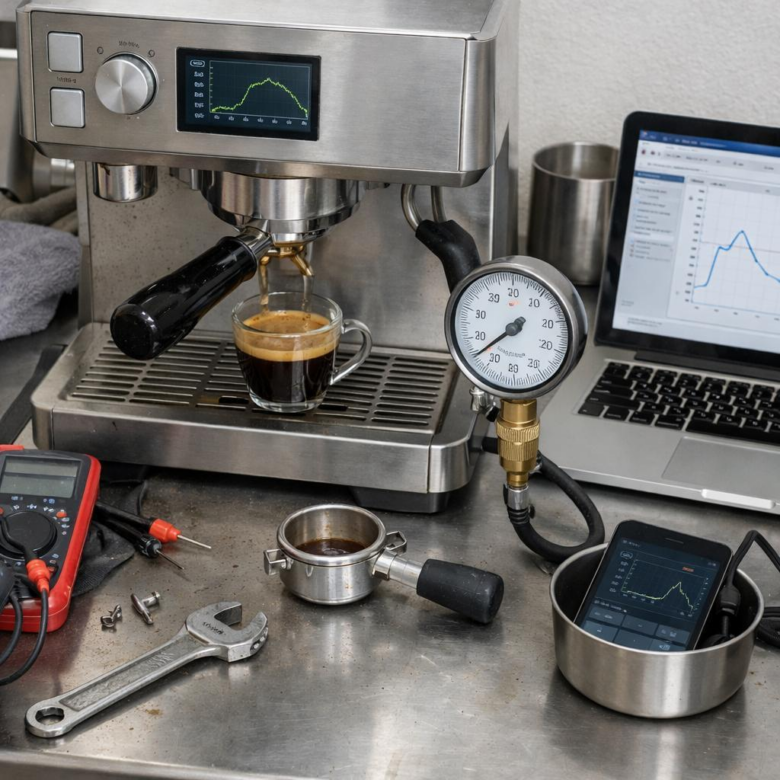
Start by separating coffee problems from machine problems. Install a blind basket and run the same pressure profile you use for espresso; if the machine cannot reach or hold target pressure without coffee, look at the pump, expansion valve, solenoid valve, or internal flow restriction before changing grind size.
- Check pump output: Use a portafilter pressure gauge or a tool like the Scace device to confirm whether a vibration pump or rotary pump reaches stable pressure under load.
- Inspect valves: A leaking OPV, stuck needle valve, or dirty solenoid can cause pressure to rise slowly, spike, or dump water into the drip tray.
- Test flow restriction: Measure water output over 30 seconds with no coffee. Low flow often points to scale buildup, clogged gicleurs, blocked shower screens, or old water filters.
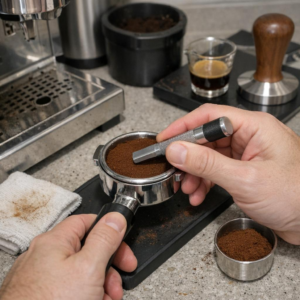
Once the machine passes the blind basket test, move to the coffee puck. If pressure climbs too fast and flow chokes, the grind is too fine or the dose is too high; if pressure never builds and the shot gushes, tighten the grind, check puck prep, or reduce channeling with better distribution.
A real-world example: on a commercial espresso machine repair visit, a café blamed “bad beans” for unstable profiling, but the actual issue was a partially clogged flow restrictor after months of hard water use. Descaling, replacing the group gasket, and recalibrating pump pressure restored consistent 6-9 bar profiling without changing the grinder settings.
Record each test result, including pressure, flow rate, dose, yield, and shot time. This makes troubleshooting faster and helps decide whether you need simple barista adjustments or professional espresso machine service.
Common Pressure Profiling Mistakes to Avoid When Optimizing Shot Consistency and Espresso Taste
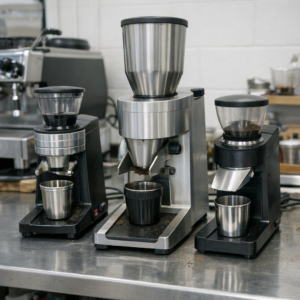
One of the biggest mistakes is changing pressure profiles before fixing the basics: grind size, dose, puck prep, and water temperature. If your espresso machine pressure gauge shows unstable flow, don’t assume the pump or profiling system is the problem; a poor tamp or uneven distribution can create channeling that looks like a pressure issue.
A common real-world example: a barista lowers pre-infusion pressure to improve sweetness, but the shot still tastes sharp and thin. After checking with an Acaia Lunar scale, they notice the yield is running too fast because the grind is too coarse, not because the pressure curve is wrong. Pressure profiling should refine extraction, not compensate for bad preparation.
- Changing too many variables at once: Adjust pressure, grind, dose, or brew ratio one at a time so you know what actually improved shot consistency.
- Using aggressive ramp-down too early: Dropping pressure before the puck is fully saturated can reduce body and cause sour espresso, especially with light roast coffee.
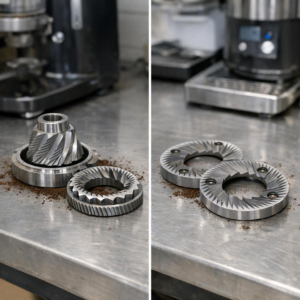
- Ignoring equipment maintenance: Scale buildup, worn gaskets, and clogged flow restrictors can make even premium espresso machines behave unpredictably.
Another overlooked mistake is copying pressure profiles from forums without matching the coffee, grinder, and basket size. A profile that works on a commercial espresso machine with a high-end burr grinder may taste flat on a home espresso setup. Keep notes on pressure, time, yield, and taste; those records are often more valuable than buying another accessory.
Closing Recommendations
Pressure profiling problems are rarely solved by one adjustment alone. The best results come from treating the machine, grinder, puck prep, and recipe as one connected system.
Practical takeaway: change only one variable at a time, record the result, and use taste-not just pressure readings-as the final judge. If the profile is unstable despite consistent prep, inspect flow control parts, pump behavior, scale buildup, and sensor accuracy before chasing grind changes.
When issues persist, decide whether the fault is mechanical, procedural, or recipe-based. That distinction saves time, protects your equipment, and helps you return to repeatable, balanced espresso faster.