Could one missing permit shut down your entire national park photoshoot?
For photographers, national parks offer dramatic landscapes, rare light, and unforgettable backdrops-but they also come with strict rules designed to protect fragile places and manage public use.
Whether you’re planning an engagement session, commercial campaign, styled shoot, or film-assisted photography project, knowing when a permit is required can save you from fines, delays, or being turned away on location.
This step-by-step guide walks you through how to identify permit requirements, contact the right park office, prepare your application, and secure approval before your shoot date.
When National Park Photography Permits Are Required: Commercial Shoots, Portrait Sessions, Drones, and Restricted Areas
In most national parks, casual landscape photography does not require a permit, even with professional camera gear. A permit becomes likely when the shoot is commercial, uses props or lighting stands, affects visitor access, requires staff monitoring, or takes place outside normal public areas. Always check the specific park’s “Special Use Permits” page before quoting a client, because permit application fees, insurance requirements, and review times vary.
Portrait sessions are where many photographers get caught. A paid engagement shoot at Yosemite, a branded outdoor apparel session in Zion, or an elopement package in Grand Teton may trigger a special use permit, especially if you bring clients, assistants, reflectors, tripods, or planned poses at busy overlooks. I’ve seen rangers focus less on the camera and more on whether the shoot blocks trails, creates a safety issue, or looks like a business operating inside the park.
- Commercial photography: product campaigns, sponsored content, advertising shoots, and client-paid sessions may need approval and commercial liability insurance.
- Drones: launching, landing, or operating drones inside National Park Service boundaries is generally prohibited without written authorization.
- Restricted areas: closed trails, archaeological sites, wildlife closures, and backcountry zones often require separate permission.
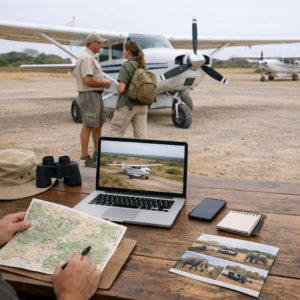
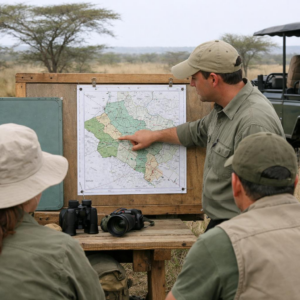
Before applying, use Google Earth Pro or PhotoPills to map locations, sunrise timing, parking, and visitor flow, then describe your plan clearly in the permit request. A simple call to the park permit office can save money and prevent a canceled shoot.
How to Apply for a National Park Photography Permit: Forms, Fees, Insurance, Timelines, and Park-Specific Rules
Start on the specific park’s “Special Use Permits” or “Commercial Filming and Photography” page, not the general NPS site. Download the current application form, read the superintendent’s compendium, and confirm whether your shoot needs a still photography permit, wedding permit, commercial filming permit, or both.
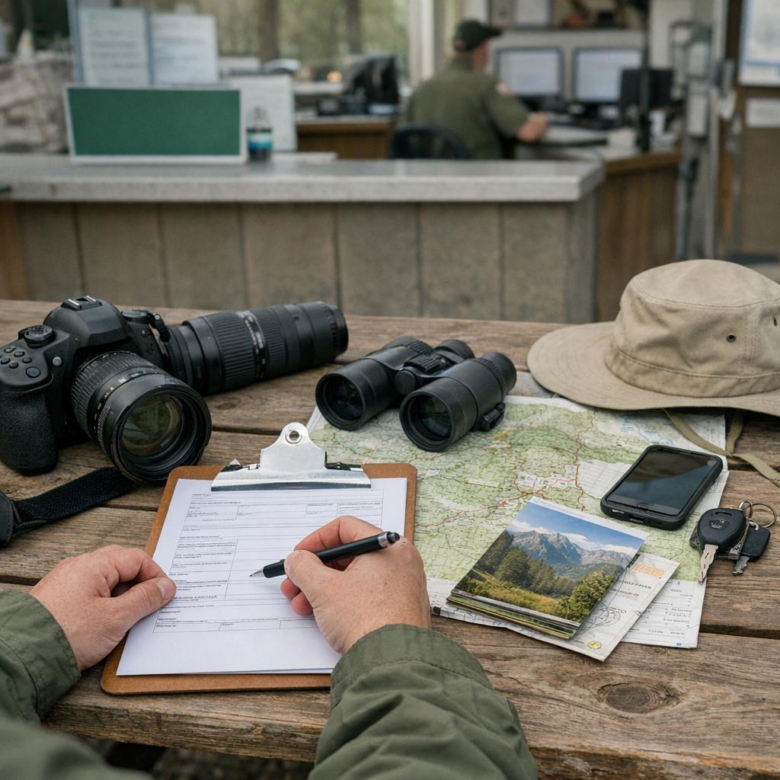
Most applications ask for the shoot date, locations, crew size, equipment list, props, models, vehicles, and a detailed shot plan. Use Adobe Acrobat to combine your application, location map, call sheet, and proof of business liability insurance into one clean PDF before submitting by email or through the park’s listed payment system, such as Pay.gov.
- Fees: Expect a non-refundable application fee, plus possible cost-recovery charges for staff monitoring, road closures, or after-hours access.
- Insurance: Many parks require a certificate of insurance naming the United States Government as additionally insured, often with commercial general liability coverage.
- Timelines: Submit at least 2-4 weeks ahead; popular parks, peak season dates, and drone-related requests need more lead time.
A real-world example: an engagement photographer in Yosemite using only a camera and small bag may have fewer restrictions than a brand shoot with models, reflectors, wardrobe changes, and product placement. The second setup can trigger additional review because it affects visitor flow, resource protection, and commercial advertising rules.
Always check park-specific restrictions before paying vendors or booking travel. Drones are generally prohibited in national parks, some trails limit tripods during crowded hours, and sensitive areas may be closed even if your permit is approved.
Common Photography Permit Mistakes That Delay Approval or Lead to Fines in National Parks
One of the biggest mistakes is assuming “small shoot” means “no permit.” In many national parks, commercial photography, styled elopements, branded content, product shoots, and sessions using props, models, lighting, or paid clients may still require a special use permit, even with a two-person crew.
Another common delay comes from vague applications. Instead of writing “sunset photos near the overlook,” include exact locations, dates, backup dates, crew size, equipment list, parking needs, and whether you’ll use tripods, reflectors, audio gear, or wardrobe changes.
- Submitting too close to the shoot date, especially during peak season.
- Forgetting liability insurance or naming the park correctly on the certificate of insurance.
- Planning drone photography without checking the National Park Service drone restrictions first.
A real-world issue I see often is photographers choosing a scenic spot from Instagram, then discovering it is in a restricted restoration area or requires a different access plan. Before applying, verify the location using the park map and tools like Google Earth Pro to check trails, parking lots, and realistic walking distances with camera gear.
Do not underestimate permit cost, processing time, or ranger review. If your shoot involves a wedding planner, production company, luxury travel brand, or paid advertising campaign, be upfront because hiding commercial intent can lead to permit denial, fines, or being asked to stop mid-session.
Keep copies of your approved photography permit, insurance documents, client contract, and payment receipt on your phone and in print. Cell service is unreliable in many parks, and a quick document check can save the entire shoot.
Wrapping Up: Step-by-Step Guide to Securing Photography Permits for National Parks Insights
Securing a national park photography permit is ultimately about reducing risk-for you, your crew, the landscape, and the visitor experience. The smartest approach is to decide early whether your shoot is personal, commercial, or potentially impactful, then confirm requirements directly with the specific park.
Practical takeaway: apply well ahead of time, be precise about locations and equipment, and keep approved documents with you on-site. If your plans involve models, props, drones, large crews, restricted areas, or paid client work, assume you may need permission before you shoot. When in doubt, ask first-it is far easier than fixing a violation later.