Miss focus on a diving eagle or charging big cat, and the moment is gone forever.
Professional wildlife action photography demands more than high megapixels-it requires ruthless autofocus, deep buffers, blackout-free shooting, weather sealing, and lenses that can keep up in brutal conditions.
The best mirrorless cameras for this work are built to track erratic subjects at speed, deliver clean files in poor light, and survive long days in rain, dust, snow, or heat.
This guide cuts through the spec-sheet noise to identify the bodies that truly matter for serious wildlife shooters-whether you’re photographing birds in flight, predators on the move, or once-in-a-lifetime behavior in the wild.
What Defines a Professional Mirrorless Wildlife Action Camera: Autofocus, Burst Speed, Buffer Depth, and Durability
A professional mirrorless wildlife action camera is defined less by headline megapixels and more by how reliably it tracks unpredictable movement. For birds in flight, big cats running, or a fox breaking from cover at dusk, advanced subject-detection autofocus, animal eye AF, and customizable tracking sensitivity matter more than a flashy spec sheet.
Burst speed is important, but only when paired with a deep buffer and fast memory card support. A camera that shoots 30 fps but stalls after a short sequence can miss the wing position or predator strike that actually sells the image; this is where CFexpress cards, fast image processors, and efficient RAW file handling make a real difference.
- Autofocus: Look for reliable animal and bird detection, low-light AF performance, and tracking that stays locked through branches or water spray.
- Buffer depth: Check real-world RAW burst limits, not just advertised frame rates.
- Durability: Weather sealing, battery life, heat management, and a tough shutter mechanism are essential for paid field work.
In practice, I’ve found that a rugged body paired with a professional wildlife lens often matters more than chasing the newest camera body upgrade. For example, shooting shorebirds in windblown sand or rain is where magnesium-alloy construction, sealed buttons, and reliable backup settings saved to Adobe Lightroom workflow presets can protect both your images and your time.
The best mirrorless camera for professional wildlife photography should feel fast, predictable, and tough under pressure. If it keeps focus on a diving osprey, clears its buffer quickly, and survives a wet morning in the field, it is built for serious action work.
How to Match Camera Body, Lens System, and Tracking Modes to Birds, Mammals, and Fast-Moving Subjects
For professional wildlife action photography, the best mirrorless camera is not just the body with the highest burst rate. It is the system that gives you reliable autofocus, the right telephoto lens options, manageable file sizes, and tracking modes that match the animal’s movement. A camera that works beautifully for elk at dawn may struggle with swallows cutting across a bright sky.
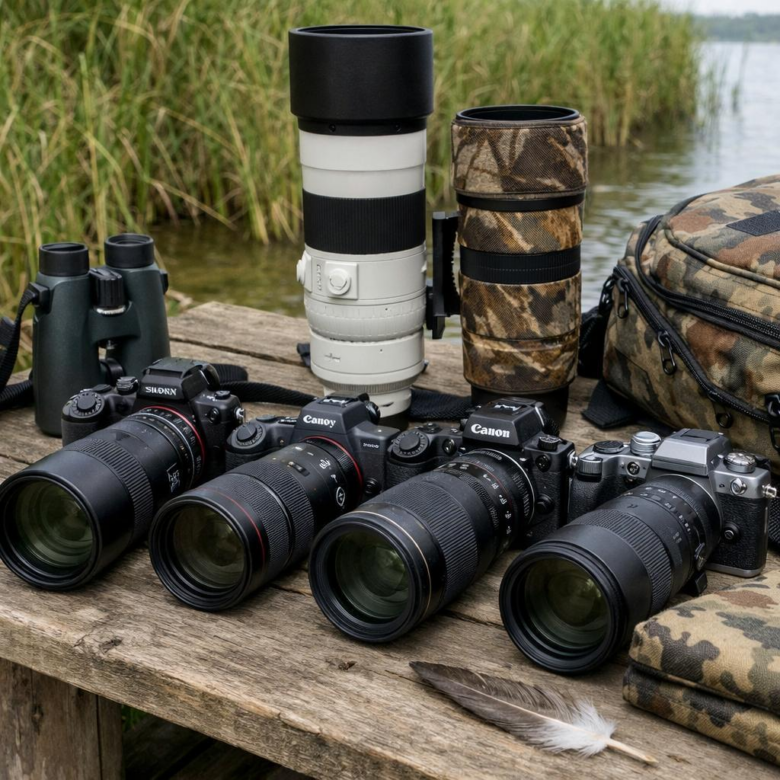
For birds in flight, prioritize subject-detection autofocus, blackout-free EVF performance, and lenses like a 400mm f/2.8, 500mm f/4, or 100-400mm zoom. In real field use, I often see photographers get better results by using bird-eye AF with a flexible zone instead of the smallest AF point, especially when the bird is banking or partially backlit. Tools like Adobe Lightroom Classic also matter here, because high-speed RAW bursts can quickly turn into a storage and editing workflow problem.
- Birds: Choose fast readout sensors, bird/animal eye tracking, and lightweight super-telephoto lenses for handheld panning.
- Mammals: Look for strong low-light performance, weather sealing, silent shutter options, and lenses such as 70-200mm, 300mm, or 100-500mm.
- Fast action: Use subject tracking with back-button AF, pre-capture if available, and memory cards with high write speeds.
Lens system cost should influence your buying decision as much as the camera body price. A flagship mirrorless camera with limited native telephoto glass may be less useful than a slightly cheaper body paired with proven wildlife lenses, extenders, rental availability, and professional camera insurance options for travel or safari work.
Common Buying Mistakes That Limit Wildlife Action Results: Sensor Trade-Offs, Overrated Specs, and Field Ergonomics
One costly mistake is buying the highest-resolution mirrorless camera without considering autofocus speed, buffer depth, rolling shutter, and low-light performance. A 45MP full-frame sensor can be excellent for cropping distant birds, but if the buffer chokes during a diving kingfisher sequence, you may miss the decisive frame. For professional wildlife action photography, the best camera body is the one that balances image quality with reliable subject tracking and fast recovery.
Another overrated spec is headline burst rate. Some cameras advertise 30 fps or more, but only with electronic shutter, compressed RAW, or reduced autofocus performance; check real-world reviews in tools like DPReview before paying premium camera prices. In the field, I’ve seen photographers with expensive bodies lose shots because they used slow SD cards instead of CFexpress cards, turning a high-end autofocus camera into a waiting game.
- Ignoring lens ecosystem: A great body means little if the brand lacks affordable 400mm, 500mm, or 600mm wildlife lenses.
- Underestimating ergonomics: Small grips, poor button layout, and weak weather sealing matter during cold mornings, rain, or long handheld sessions.
- Skipping total cost: Budget for extra batteries, fast memory cards, insurance, a monopod, and professional camera repair services.
Before buying, rent the camera and lens combo for a local birding trip or sports-style wildlife test. Track erratic subjects, shoot long bursts, review hit rate, and check whether the setup feels usable after two hours. Specs sell cameras; field handling gets the shot.
Closing Recommendations
The best choice is the camera that lets you react faster than the wildlife in front of you. Prioritize reliable autofocus, deep buffers, high-ISO image quality, weather sealing, and lens ecosystem over headline specs alone. If you shoot birds in flight or unpredictable action, invest in the body with the strongest tracking and the lenses you can comfortably carry all day. If your work involves remote locations, durability and battery strategy matter just as much as speed. Ultimately, choose the system that reduces hesitation in the field-because decisive handling is what turns rare behavior into publishable images.