Your pastry is only as exceptional as the cacao you dare to source.
Single-origin high-cacao chocolate can turn a ganache, mousse, glaze, or plated dessert into a signature experience-but only when its flavor profile, fat behavior, and sourcing integrity match your kitchen’s standards.
For gourmet pastry, choosing chocolate is not about chasing the highest percentage or the most romantic origin story. It is about understanding terroir, fermentation, roast, supplier transparency, consistency, and how the couverture performs under heat, emulsification, tempering, and storage.
This guide shows you how to source single-origin high-cacao chocolate with the precision of a pastry chef and the judgment of a serious buyer.
What Defines Single-Origin High-Cacao Chocolate for Gourmet Pastry Applications
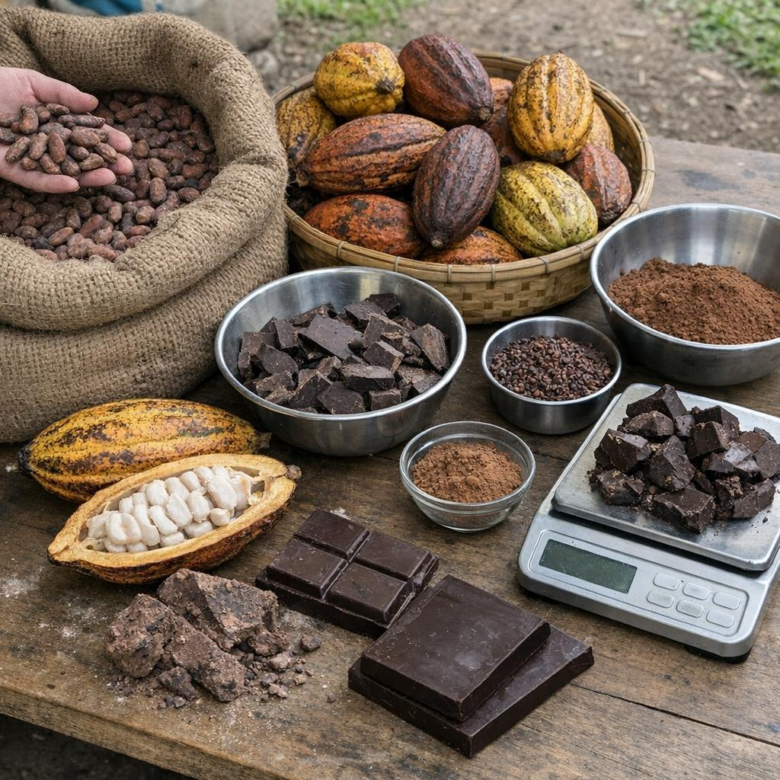
Single-origin high-cacao chocolate is made from cacao beans sourced from one defined place, such as a single estate, cooperative, region, or country, with a cacao percentage typically above 65%. For gourmet pastry, the key is not just origin labeling; it is whether the chocolate has consistent flavor, reliable cocoa butter content, and technical performance in ganache, mousse, crémeux, glazes, and laminated desserts.
In a professional kitchen, “single-origin” should be verified through supplier documentation, harvest information, and tasting notes, not just marketing language on the bag. A 70% Madagascar couverture, for example, may bring bright red fruit acidity that works beautifully in a raspberry entremet, while a 75% Ecuador chocolate may offer floral and nutty notes better suited to pralines or plated desserts.
- Cacao percentage: Higher cacao means deeper flavor, but also more bitterness and less sugar, which affects recipe balance and food cost.
- Cocoa butter level: Couverture with adequate cocoa butter gives better fluidity for coating, molding, and spraying.
- Traceability: Reliable origin data helps with premium menu positioning and supplier quality control.
One practical habit is to test each chocolate in a small ganache before committing to wholesale chocolate purchasing. Platforms such as Uncommon Cacao can help chefs compare origin, flavor profile, sourcing transparency, and commercial availability before placing larger orders.
From experience, the best pastry results come when flavor and function are evaluated together. A chocolate can taste exceptional in a tasting square but still be too viscous, acidic, or costly for daily production.
How to Evaluate Origin, Cacao Percentage, Flavor Profile, and Supplier Transparency
Start with origin, but do not treat the country name as the whole story. For pastry work, ask for the farm, cooperative, harvest year, fermentation method, and drying conditions because these details affect consistency, shelf life, and wholesale chocolate pricing more than a romantic origin label.
Cacao percentage should match the application, not just sound premium. A 70% Madagascar bar may taste bright and acidic in a ganache, while a 75% Ecuador couverture can feel rounder in mousse because fat content, sugar balance, and cocoa butter percentage change texture and cost per batch.
- For ganache: test melt, emulsion stability, and flavor after 24 hours.
- For laminated pastry: check viscosity, snap, and tempering performance.
- For plated desserts: compare acidity, bitterness, fruit notes, and finish.
Always run a small production test before committing to bulk chocolate suppliers. In a real pastry kitchen, I have seen a beautiful single-origin chocolate taste excellent in tasting squares but become too sharp when paired with raspberry, forcing a recipe adjustment and raising ingredient cost.
Supplier transparency is where serious sourcing decisions happen. Request a certificate of analysis, allergen statement, food safety certification, organic certification if needed, and clear information on direct trade, farmgate pricing, or traceability software such as Sourcemap.
Good suppliers should also provide batch codes, lead times, storage requirements, and samples from current inventory, not only marketing descriptions. If a vendor cannot explain origin traceability, cocoa butter content, minimum order quantity, and shipping conditions, that risk belongs in your purchasing decision.
Common Sourcing Mistakes That Compromise Texture, Flavor, and Consistency in Pastry
One of the biggest mistakes is buying single-origin high-cacao chocolate based only on cacao percentage. A 72% Madagascar couverture and a 72% Ecuador bar can behave completely differently in ganache, mousse, or laminated pastry because fat content, roast profile, particle size, and acidity matter just as much as the label.
Another costly error is skipping sample testing before placing a wholesale chocolate order. In one hotel pastry kitchen, a new single-origin couverture looked excellent on paper but made truffles feel dry because its fluidity was too low for the existing cream ratio. A small bench test would have caught it before the full production run.
- Ignoring technical sheets: Always check cocoa butter percentage, viscosity, lecithin, sugar type, and recommended applications.
- Overlooking logistics: Poor cold chain shipping or weak packaging can cause bloom before the chocolate reaches your kitchen.
- Not verifying traceability: Ask for origin details, harvest information, allergen controls, and food safety certification from the supplier.
Relying on inconsistent distributors is another issue. A pastry chef needs stable supply, not just a good tasting sample, so compare lead times, minimum order quantity, storage conditions, and replacement policy before committing to a premium chocolate supplier.
Use a platform like TraceGains or supplier portals to manage certificates of analysis, specification sheets, and compliance documents. It sounds administrative, but it protects flavor consistency, reduces production waste, and helps control ingredient cost in high-end pastry programs.
Wrapping Up: How to Source Single-Origin High-Cacao Chocolate for Gourmet Pastry Insights
Sourcing single-origin high-cacao chocolate is ultimately a decision about fit, consistency, and integrity. Choose couverture that serves the pastry first: its bitterness, acidity, melt, and aroma must enhance the finished dessert, not compete with it.
- Request samples before committing to volume.
- Test chocolate in ganache, crémeux, mousse, glaze, and baked applications.
- Prioritize suppliers with transparent origin, harvest, fermentation, and availability data.
The best choice is not always the rarest or most expensive bar-it is the one that performs reliably, tastes distinctive, and supports the standard your pastry program promises.