One material choice can be the difference between a controlled incident and a fatal arc flash.
High-voltage electrical maintenance demands PPE that does more than meet a label requirement-it must resist electric shock, intense heat, molten metal, flame, and mechanical wear under real working conditions.
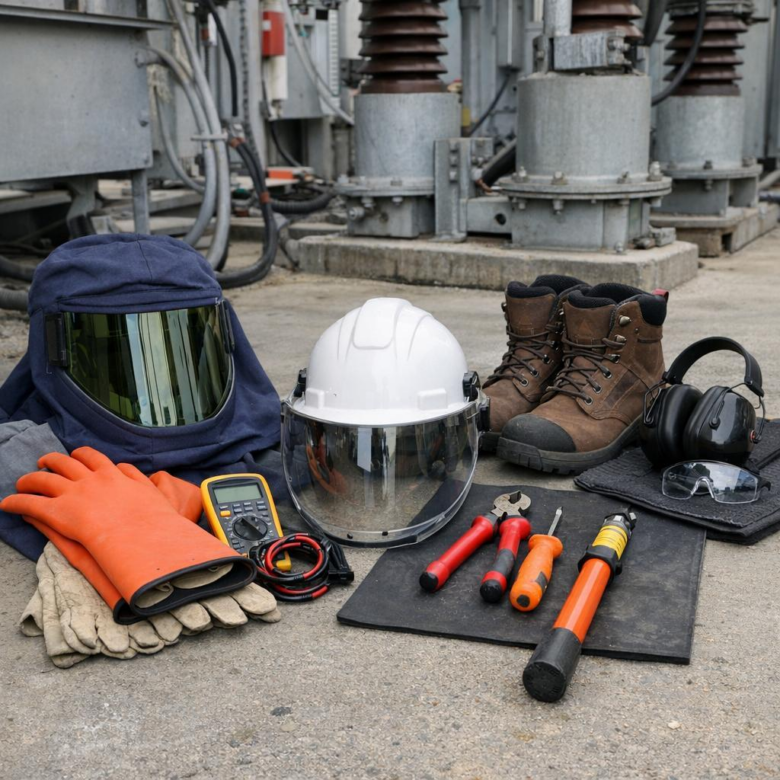
The best protection starts with understanding the materials behind the gear: rubber insulating gloves, arc-rated fabrics, dielectric footwear, face shields, helmets, and layered thermal barriers.
This guide breaks down the PPE materials that matter most, how they perform, and what to prioritize when safety margins cannot be compromised.
What Makes PPE Materials Safe for High-Voltage Electrical Maintenance?
PPE materials are safe for high-voltage electrical maintenance when they can resist electric shock, reduce arc flash burn injury, and remain reliable under field conditions. For example, rubber insulating gloves used on switchgear must be voltage-rated, tested for dielectric strength, and paired with leather protectors to prevent cuts that could compromise insulation. In real maintenance work, a tiny puncture can turn expensive electrical safety equipment into a serious hazard.
The safest materials are selected based on the task’s voltage level, arc flash risk, and applicable standards such as NFPA 70E and OSHA electrical safety requirements. Common high-value PPE choices include:
- Natural rubber or synthetic rubber for insulated gloves, sleeves, and dielectric boots.
- Arc-rated fabrics such as treated cotton, aramid, or blends used in arc flash suits and flame-resistant clothing.
- Polycarbonate face shields with arc-rated coatings for protection against heat, pressure, and flying debris.
A practical rule: never judge PPE by appearance alone. Many electrical contractors use tools such as the Salisbury by Honeywell glove inflator to check insulating gloves before energized work, because air testing can reveal pinholes that are easy to miss by hand. This small step can protect workers and reduce costly downtime, insurance claims, and equipment-related safety violations.
Safe PPE materials also need proper storage, cleaning, and recertification. Rubber gloves, for instance, should be kept away from oil, sunlight, sharp tools, and excessive heat, then sent for periodic dielectric testing according to the required schedule. Good material selection matters, but maintenance is what keeps voltage-rated PPE trustworthy on the job.
How to Match Arc-Rated, Insulating, and Dielectric PPE Materials to Real Electrical Hazards
Start by separating the hazards: arc flash, electric shock, and step/touch potential are not controlled by the same PPE material. Arc-rated clothing protects against thermal energy from an arc flash, while rubber insulating gloves, sleeves, and dielectric boots are designed to reduce shock risk when contact with energized conductors is possible.
Use the equipment label, arc flash study, and voltage class before choosing gear. In the field, I’ve seen technicians arrive with high-calorie arc flash suits but under-rated gloves for a 4.16 kV switchgear task; that is a serious mismatch because arc protection does not make the hands electrically insulated.
- Arc-rated fabrics: Match the cal/cm² rating to the incident energy listed in the arc flash analysis or NFPA 70E label.
- Rubber insulating gloves: Select ASTM D120 voltage class, then wear leather protectors to prevent cuts and punctures.
- Dielectric footwear and mats: Use around utility rooms, substations, wet floors, and generator maintenance where ground path risk is realistic.
For commercial facilities, engineering teams often model hazards using SKM PowerTools or ETAP before specifying electrical safety PPE, insulated tools, and arc flash protection kits. This reduces guesswork and helps justify PPE cost by matching materials to actual exposure instead of buying the most expensive suit for every job.
A practical rule: choose arc-rated PPE for heat, insulating PPE for direct contact, and dielectric PPE for ground isolation. The safest maintenance programs combine all three only when the work task and voltage exposure truly require it.
Common PPE Material Selection Mistakes That Increase Arc Flash and Shock Risk
One of the most dangerous mistakes is choosing PPE by voltage alone instead of reviewing the arc flash incident energy and task exposure. Voltage-rated gloves help with shock protection, but they do not replace arc-rated clothing, face shields, balaclavas, or an arc flash suit selected from the equipment label or NFPA 70E risk assessment.
Another frequent issue is using meltable synthetic base layers under arc flash PPE. Polyester shirts, nylon rainwear, and untreated fleece can melt into the skin during an arc event, even if the outer garment is flame resistant. In the field, this often shows up when a technician wears a compliant arc-rated jacket over a cheap synthetic hoodie during winter maintenance.
- Using leather gloves that are not compatible with rubber insulating gloves or have oil contamination.
- Selecting FR clothing without checking the arc rating, fabric condition, or laundering history.
- Wearing metal zippers, conductive accessories, or non-rated safety glasses near energized switchgear.
Do not assume “FR” means suitable for high-voltage electrical maintenance. Arc-rated PPE should be matched to the calculated hazard, ideally verified through an arc flash study using platforms such as SKM PowerTools or EasyPower, along with proper labels on panels and switchboards.
A practical rule: inspect the full system, not just the garment. Voltage-rated gloves need regular dielectric testing, face shields must carry the correct arc rating, and insulated tools should be selected for the actual work environment, especially in utilities, data centers, industrial plants, and electrical contractor service jobs.
Wrapping Up: Best PPE Materials for High-Voltage Electrical Maintenance Safety Insights
High-voltage safety depends on choosing PPE as a system, not as isolated items. The right materials must match the voltage level, arc-flash risk, task duration, environment, and applicable standards.
For practical decision-making, prioritize certified dielectric protection, arc-rated fabrics, tested insulating gloves, face and eye protection, and non-conductive footwear. Replace any PPE that is damaged, expired, contaminated, or unsuitable for the hazard category.
The best choice is not always the heaviest or most expensive option-it is the PPE that provides verified protection while allowing workers to move, see, grip, and respond safely during electrical maintenance.