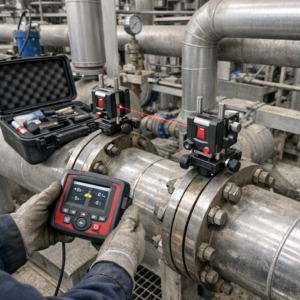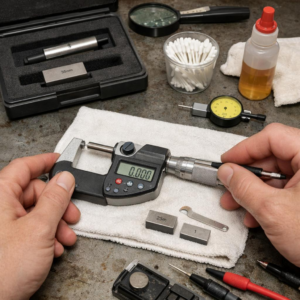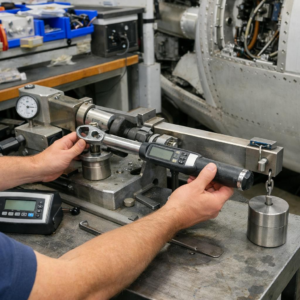
What if your pneumatic calibrator isn’t the problem-but your system keeps making it look guilty?
Repeatability issues in pneumatic calibration often come from small, hidden variables: leaks, unstable supply pressure, thermal effects, contamination, poor tubing practices, or control settings that drift under real test conditions.
When the same pressure point produces different readings, every adjustment becomes suspect and every certificate loses confidence. The fix starts with isolating the source of variation instead of repeatedly recalibrating the instrument.
This guide explains how to diagnose and correct the most common causes of poor repeatability in pneumatic calibration systems, from mechanical setup to environmental control and verification technique.
What Repeatability Means in Pneumatic Calibration Systems and Why It Fails
Repeatability in pneumatic calibration systems means the system can apply the same pressure point multiple times and return nearly the same reading each time. In practical terms, if a pressure calibrator is set to 50 psi during transmitter calibration, the measured output should not drift noticeably between repeated test cycles under the same conditions.
When repeatability fails, the problem is often not the calibration standard itself. In the field, I often see issues caused by small leaks, unstable supply pressure, worn regulators, contaminated fittings, or poor hose connections. Even a slightly damaged O-ring can create enough pressure loss to make a high-accuracy pressure calibration device look unreliable.
- Leaks: Loose fittings, cracked tubing, or worn seals can cause pressure decay between readings.
- Volume changes: Long hoses or oversized test manifolds make pressure stabilization slower and less predictable.
- Temperature effects: Air expands and contracts, so a cold workshop or hot process area can affect pneumatic calibration results.
For example, a technician using a Fluke 729 Automatic Pressure Calibrator may see inconsistent readings when calibrating a differential pressure transmitter. The calibrator may be accurate, but if the test hose has a minor leak or the vent valve is not fully seated, the readings will not repeat. That leads to wasted time, unnecessary instrument adjustment, and higher calibration service cost.
The key is to treat repeatability as a system-level issue, not just a device specification. Before blaming the pressure calibrator, check the complete setup: fittings, regulators, pneumatic hand pump, isolation valves, test hoses, and the device under test.
How to Diagnose Leaks, Pressure Instability, and Control Errors in Pneumatic Calibration
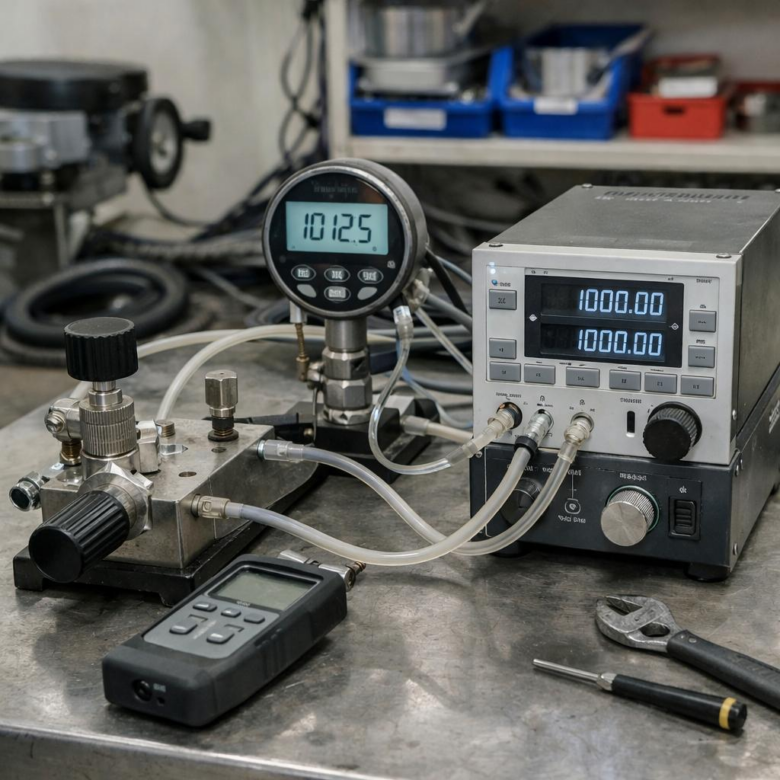
Start by separating the problem into three areas: leakage, supply pressure quality, and controller behavior. In a pneumatic calibration system, repeatability often fails because a pressure calibrator or regulator is correcting for a fault you cannot see. I usually begin with a simple isolation test: pressurize the circuit, close the upstream valve, and watch the pressure decay on a digital pressure gauge or calibrator.
If the pressure drops with all outlets capped, suspect fittings, tubing, manifold seals, or the device under test connection. A leak detector spray is useful, but for low-pressure calibration work, a high-resolution instrument like the Fluke 729 Automatic Pressure Calibrator or a precision pressure controller will show small losses faster than bubbles. For example, a technician may blame a transmitter for poor repeatability when the real issue is a slightly loose compression fitting on the reference line.
- Leak check: isolate each section and compare pressure decay before and after the regulator, hose, and test port.
- Pressure stability check: monitor supply pressure under load; an undersized compressor, clogged filter, or failing regulator can cause drift.
- Control error check: review setpoint overshoot, valve response, and PID tuning on the pressure controller.
Control errors are often mistaken for mechanical faults. If pressure overshoots, hunts, or takes too long to settle, inspect the control valve, exhaust path, and controller settings before replacing the calibration device. In regulated lab or pharmaceutical calibration services, documenting these checks also protects audit trails and reduces unnecessary instrument repair cost.
Common Setup and Maintenance Mistakes That Cause Pneumatic Calibration Drift
Many repeatability problems start with simple setup errors, not a bad pressure controller. A common mistake is using long, flexible tubing between the pneumatic calibrator and the device under test, which adds volume and slows pressure stabilization. In pressure calibration labs, I’ve seen a 1-meter hose change a stable reading into a moving target, especially during low-pressure transmitter calibration.
Leaks are another major cause of pneumatic calibration drift. Small leaks around fittings, quick-connects, manifold valves, or worn O-rings may not be obvious during a quick test, but they can create gradual pressure loss that looks like sensor instability. Using a leak test kit or a digital pressure calibrator such as Fluke 729 helps confirm whether the problem is the instrument, the test setup, or the pneumatic supply.
- Using unregulated shop air with moisture, oil, or pressure pulsation
- Skipping warm-up time for pressure controllers and reference standards
- Mixing mismatched fittings, adapters, or thread sealants that create micro-leaks
Maintenance habits matter too. Dirty filters, clogged regulators, and contaminated pneumatic lines can cause unstable pressure control, longer settling time, and inaccurate calibration results. For critical industrial calibration services, replace filters on schedule, drain moisture traps, and keep dedicated clean tubing for precision pressure measurement equipment.
One practical check is to isolate the calibration system with a known-good pressure gauge and watch for pressure decay before connecting the transmitter. If the reference pressure holds steady but drift appears after the device is connected, the issue may be internal volume, a leaking process connection, or a damaged diaphragm rather than the calibration equipment itself.
The Bottom Line on How to Fix Repeatability Issues in Pneumatic Calibration Systems
Reliable pneumatic calibration depends on controlling the small variables that create large measurement drift. If repeatability problems persist, treat them as a system-level warning rather than an isolated instrument fault.
The practical takeaway is simple: verify leak integrity, stabilize pressure and temperature, use suitable reference standards, and document results consistently before replacing major components.
When deciding next steps, prioritize corrective actions that improve stability and traceability first. If uncertainty remains outside acceptable limits after these checks, escalate to professional service or system redesign. A repeatable calibration process protects accuracy, reduces downtime, and increases confidence in every pressure measurement.