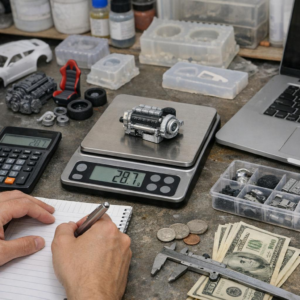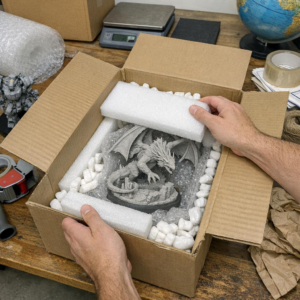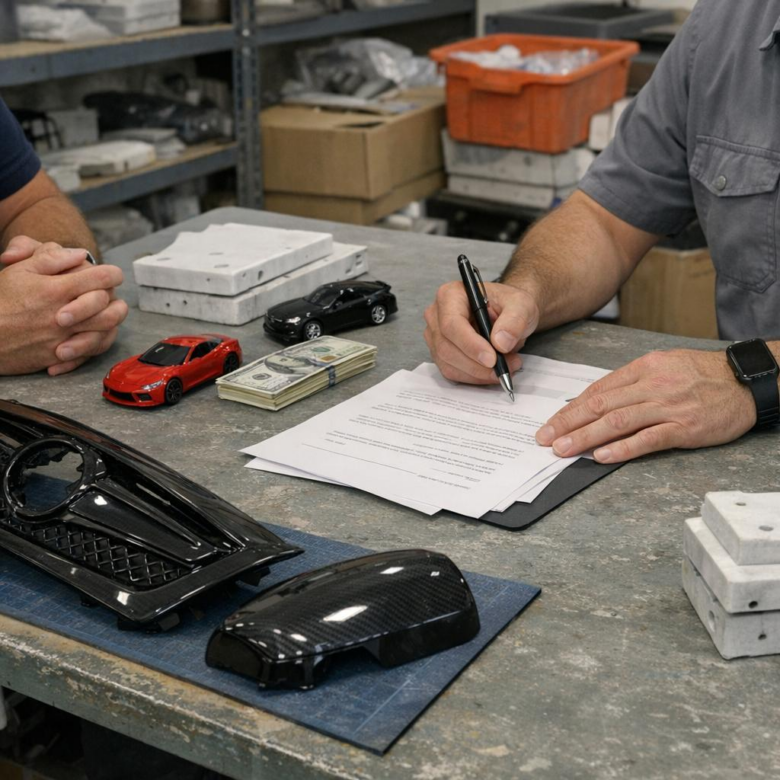
One unlicensed logo on a resin car part can turn a profitable product into a legal liability.
Selling branded resin automotive parts is not just a manufacturing or design challenge-it is a rights-clearance issue involving trademarks, trade dress, model names, and brand-controlled visual identity.
Whether you produce scale replicas, replacement trim, custom accessories, or enthusiast collectibles, securing proper licensing can protect your business from takedowns, lawsuits, seized inventory, and lost retail partnerships.
This article explains what licensing rights typically cover, how to approach automotive brands, and what to prepare before selling resin parts that reference protected vehicle brands or designs.
What Licensing Rights Cover When Selling Branded Resin Automotive Parts
Licensing rights define exactly how you can use a car brand’s protected assets on resin automotive parts, packaging, product photos, and online listings. This usually includes trademarks such as logos, model names, badge shapes, grille designs, and sometimes trade dress, which covers the recognizable look of a vehicle or component.
For example, selling a resin “Porsche 911-style” dashboard insert with the Porsche crest or model name is very different from selling a generic sports car interior part. The first may require trademark licensing, while the second still needs careful review to avoid implying brand affiliation.
A proper licensing agreement should clarify:
- Which marks, logos, model names, or designs you are allowed to use
- Where you can sell the parts, such as your website, Etsy, Amazon, or wholesale channels
- Whether the license covers marketing materials, packaging, installation guides, and digital ads
In practice, the biggest mistake small resin part sellers make is assuming a disclaimer like “not affiliated with Ford” solves everything. It may help reduce confusion, but it does not automatically protect you if the product uses Ford’s trademarked logo, OEM-style badge, or protected design elements.
Before investing in molds, 3D scanning, or paid advertising, review the brand owner’s licensing portal and document your product designs with tools like Adobe Illustrator or CAD software. This helps you separate original aftermarket design work from restricted branded elements, which can reduce legal risk and improve your chances of approval when applying for an automotive trademark license.
How to Secure Trademark, Design, and Brand Approval from Automotive Rights Holders
Start by identifying exactly what intellectual property you need permission to use: the vehicle badge, model name, grille shape, wheel design, body panel geometry, or even packaging that references the manufacturer. For automotive resin parts, rights may involve trademark licensing, design patents, trade dress, and brand compliance rules, so it is worth having an IP attorney review your product before contacting the brand owner.
Prepare a professional licensing request, not a casual email. Include product photos or CAD renders, intended sales channels, estimated retail price, manufacturing location, quality control process, and whether you carry product liability insurance. Many automotive rights holders will reject vague proposals because they cannot assess brand risk, counterfeit exposure, or consumer safety concerns.
- Search trademark ownership through USPTO TESS or WIPO before applying.
- Use contract tools like DocuSign to manage licensing agreements and approvals.
- Keep records of every approved logo placement, mold revision, and packaging proof.
A real-world example: if you sell resin replacement center caps marked with a luxury car emblem, the badge license may be separate from approval for the cap’s design and packaging. In practice, manufacturers often care as much about fitment claims and safety disclaimers as they do about the logo itself.
Expect negotiations around royalty rate, minimum guarantees, territory, term length, audit rights, and approved distribution channels such as Shopify, Amazon, or wholesale auto parts retailers. Do not begin production until the written trademark license and brand approval are signed. Verbal permission is not protection.
Common Licensing Mistakes That Can Trigger Infringement Claims or Product Takedowns
One of the most common mistakes is assuming that a modified resin part is “safe” because it is handmade, 3D printed, or slightly redesigned. If the product uses a protected badge, grille shape, model name, logo, or trade dress that consumers associate with a car brand, platforms like Amazon Seller Central, Etsy, and eBay may remove the listing after a trademark complaint.
Another risky move is using brand terms too aggressively in product titles and ads. For example, selling a resin “Ford Mustang-style side vent” is very different from listing it as an “Official Ford Mustang Replacement Part” when you do not have authorization. That wording can create confusion, which is often what trademark enforcement teams look for.
- Using OEM logos or emblems without a written trademark license
- Copying patented or design-protected parts from original automotive components
- Relying on supplier claims instead of verifying licensing documents yourself
A real-world issue I’ve seen with small parts sellers is buying resin molds from overseas suppliers that include protected branding already embedded in the design. The seller thinks the supplier handled the legal side, but the marketplace account receives the intellectual property complaint, not the factory.
Before launching, check trademark databases such as USPTO TESS, review design patent filings, and keep written permission, licensing agreements, invoices, and supplier compliance documents organized. The cost of legal review may feel inconvenient, but it is usually far cheaper than inventory loss, frozen marketplace payouts, account suspension, or a formal infringement claim.
Closing Recommendations
Licensing is not a formality-it is the foundation of a defensible branded parts business. Before producing or selling resin automotive parts tied to a recognizable marque, secure written permission, define the scope of use, and confirm quality, territory, and royalty obligations.
The practical choice is simple: if the brand value helps sell the part, treat the rights as a core business cost, not an afterthought. Work with IP counsel, approach rights holders professionally, and avoid launching until approvals are documented. A compliant product line may take longer to build, but it is far safer-and more valuable-than one exposed to takedowns, lawsuits, or lost inventory.