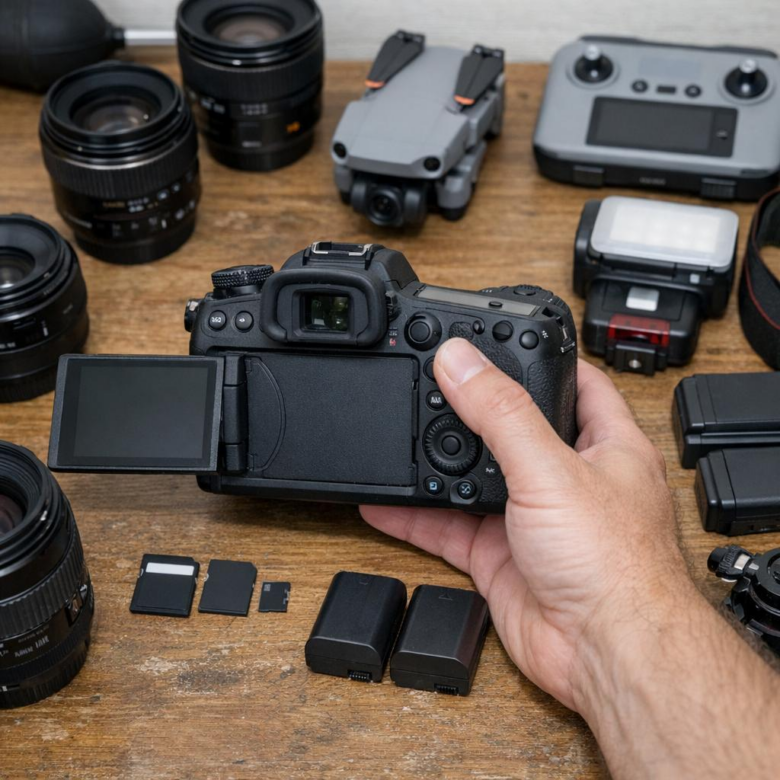
Check sensor size, autofocus speed, ISO range, stabilization, lens compatibility, burst rate, and video specs before investing in camera gear.
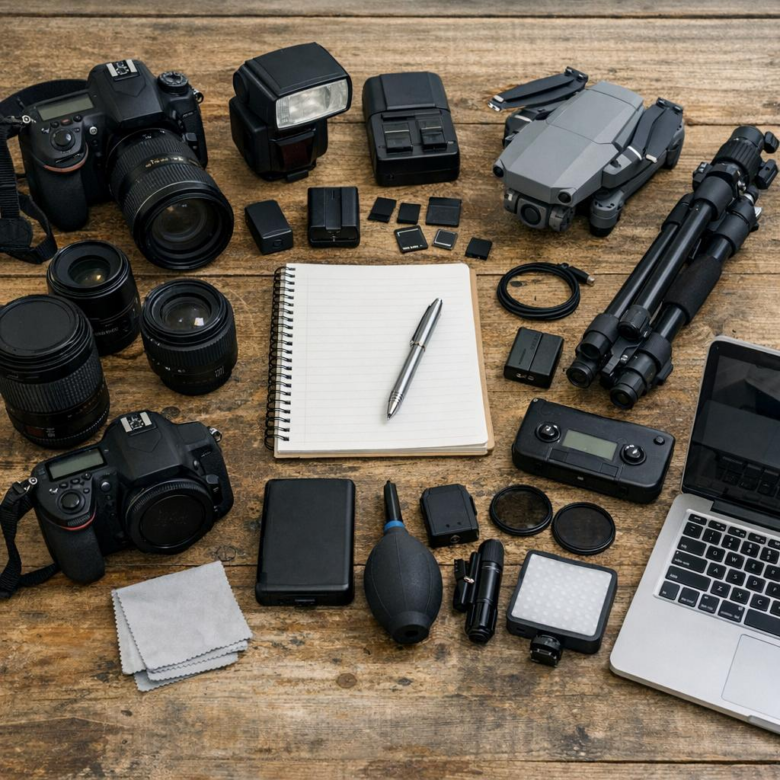
Start lean: prioritize a reliable camera body, two versatile lenses, lighting kit, tripod, memory cards, backups, editing software, and contracts before expanding your photo business gear.
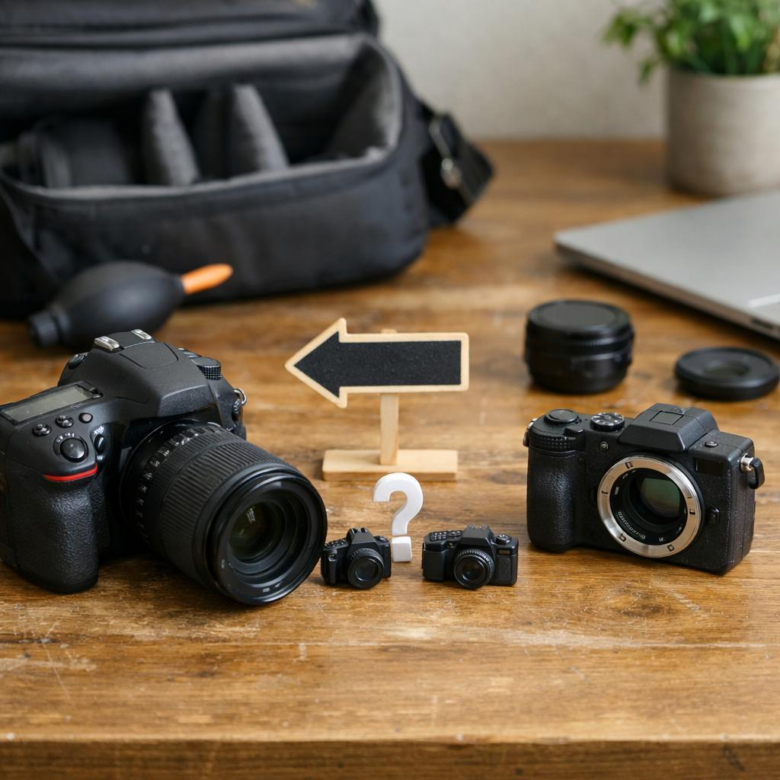
Mirrorless cameras are often easier for beginners, offering compact bodies and live previews, while DSLRs provide longer battery life and wider used-lens options.
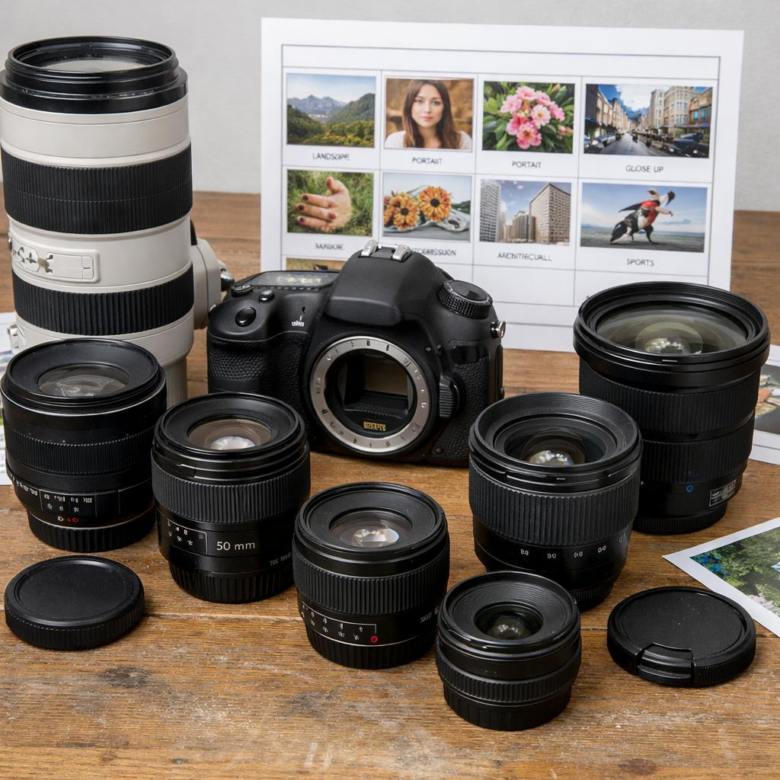
Choose lenses by style: wide-angle for landscapes, fast primes for portraits, macro for detail, and telephoto for wildlife or sports. Balance aperture, weight, and budget.
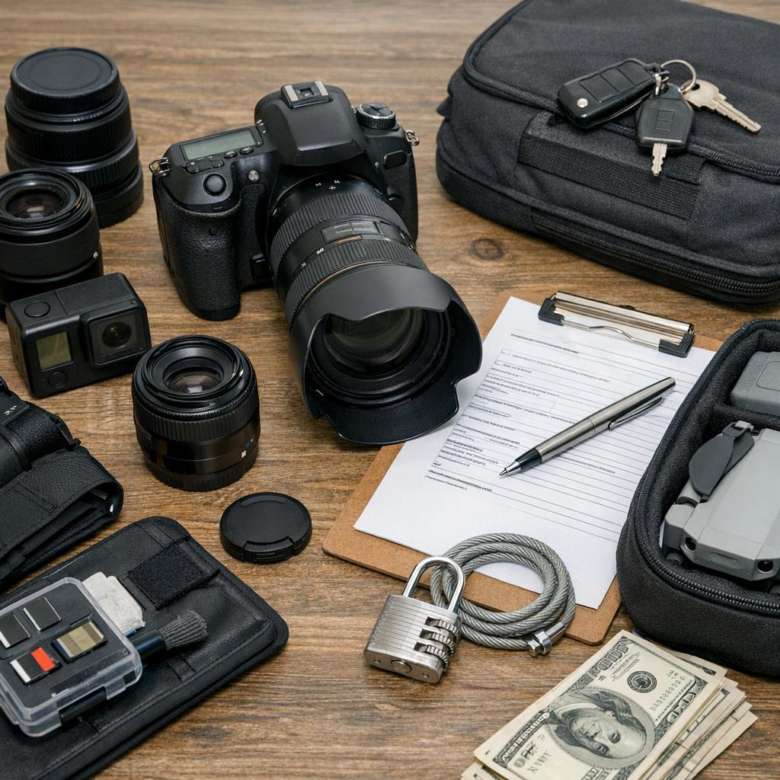
Camera insurance helps cover theft, accidental damage, loss, and transit risks-protecting bodies, lenses, and accessories so costly setbacks do not halt your work.