What would it cost you if your camera bag disappeared tomorrow?
A single body, two lenses, a flash, and a laptop can add up to more than a used car-and standard renters or homeowners insurance often won’t cover the full loss, especially if you shoot for money.
Camera insurance protects expensive photography gear from theft, accidental damage, loss, travel mishaps, and liability risks that can derail a paid shoot or personal project.
This guide explains what camera insurance covers, who needs it, how policies differ, and how to choose protection that matches the way you actually shoot.
What Camera Insurance Covers-and Why Standard Homeowners Policies Often Fall Short
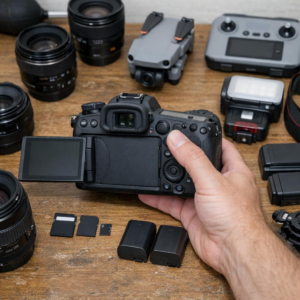
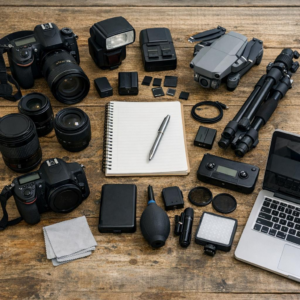
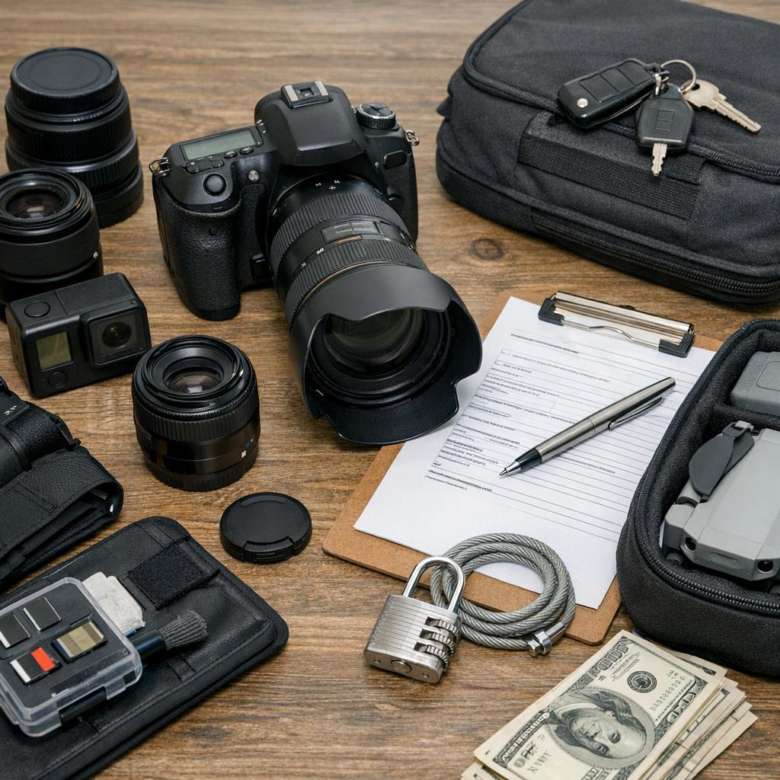
Camera insurance is designed for gear that moves, gets used, and faces real risk: drops, theft, fire, water damage, accidental breakage, and sometimes loss in transit. A good photography equipment insurance policy can cover cameras, lenses, drones, lighting kits, tripods, memory cards, and laptops used for editing. For working photographers, it may also include business property coverage, general liability insurance, and rented equipment coverage.
Standard homeowners insurance often looks cheaper, but the protection is usually limited. Many policies cap coverage for electronics, exclude business use, or only pay after a high deductible. If your $3,000 lens is stolen from your car while you are shooting a paid wedding, your home insurance company may deny the claim because the gear was used commercially.
- Replacement cost coverage helps pay for a comparable new item instead of a depreciated value.
- Inland marine insurance protects gear while it travels between shoots, studios, and client locations.
- Liability coverage matters if a light stand injures someone or damages a venue floor.
In real use, the biggest gap I see is photographers assuming “covered at home” means “covered everywhere.” It often doesn’t. Before buying a policy through a provider or marketplace such as Thimble, compare deductibles, exclusions, theft-from-vehicle rules, international travel limits, and whether rented or borrowed equipment is included.
If photography brings in income, even part-time, treat camera insurance as business protection-not just gadget coverage. The right policy can protect both your equipment and your ability to keep taking paid jobs.
How to Choose the Right Photography Gear Insurance for Your Equipment, Shoots, and Travel
Start by matching the policy to how you actually use your camera gear. A hobbyist with one mirrorless camera may be fine with scheduled personal property coverage, while a wedding photographer carrying two bodies, RF lenses, drones, lights, and a laptop should look at dedicated photography equipment insurance with liability coverage.
Check the details that matter during real claims: theft from a locked vehicle, accidental damage, worldwide coverage, rental gear, and replacement cost versus depreciated value. I’ve seen photographers assume their homeowners insurance covered a stolen camera bag, only to find business use and travel exclusions buried in the policy wording.
- Gear value: insure the full replacement cost of cameras, lenses, flashes, gimbals, memory cards, and editing devices.
- Work risk: add general liability insurance if you shoot weddings, events, portraits, or commercial jobs.
- Travel needs: confirm international coverage, airline baggage limits, and proof-of-ownership requirements.
Use an inventory tool like Google Sheets or Notion to record serial numbers, receipts, purchase dates, and photos of each item. This small habit can speed up insurance claims and reduce disputes if a camera bag is stolen from a hotel room or a lens is damaged during a destination shoot.
Before buying, compare deductibles, exclusions, monthly premium cost, claim process, and whether rented or borrowed equipment is included. The cheapest camera insurance is not always the best deal if it leaves out the situations most likely to happen on paid shoots.
Common Camera Insurance Mistakes That Lead to Denied Claims or Underinsured Gear
One of the most expensive mistakes is assuming homeowners or renters insurance fully covers professional camera equipment. Many policies have low limits for electronics, exclude business use, or offer limited theft coverage outside the home, which can leave a photographer short after a real claim.
Another issue is insuring gear for what you paid years ago instead of today’s replacement cost. If your Canon mirrorless body, Sony G Master lens, or DJI drone has gone up in price, your camera insurance policy may not pay enough to replace it with equivalent equipment.
- Not listing individual items: High-value lenses, lighting kits, and video equipment often need to be scheduled separately.
- Poor documentation: Keep receipts, serial numbers, and photos in a cloud tool like Google Drive or Dropbox.
- Ignoring exclusions: Water damage, unattended vehicle theft, rental gear, and international travel may require added coverage.
A common real-world example: a wedding photographer leaves a camera bag in a locked car while grabbing lunch, and the bag is stolen. Some insurance companies deny or reduce the claim if the policy excludes unattended vehicle theft or requires visible forced entry.
Review your deductible, coverage territory, business equipment limit, and claims process before buying. The cheapest camera insurance cost is not always the best deal if it creates gaps for paid shoots, travel photography, studio gear, or commercial video work.
Expert Verdict on Camera Insurance Guide: How to Protect Expensive Photography Gear
Protecting camera gear is ultimately a financial decision, not just a precaution. If replacing your camera, lenses, or lighting kit would disrupt your work, savings, or travel plans, insurance is worth serious consideration.
- Choose dedicated camera insurance if you earn income from photography or travel with high-value equipment.
- Rely on homeowners or renters coverage only if your gear is modest and exclusions are clearly acceptable.
- Review limits, deductibles, worldwide coverage, theft rules, and proof-of-ownership requirements before buying.
The right policy should match how, where, and why you use your gear-not just its purchase price.