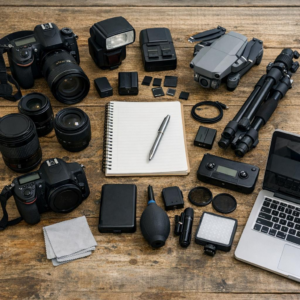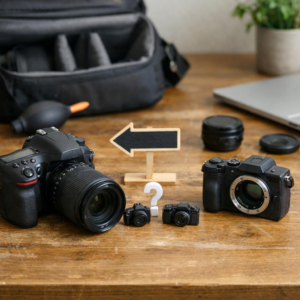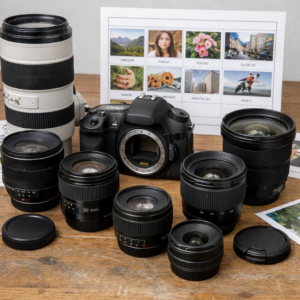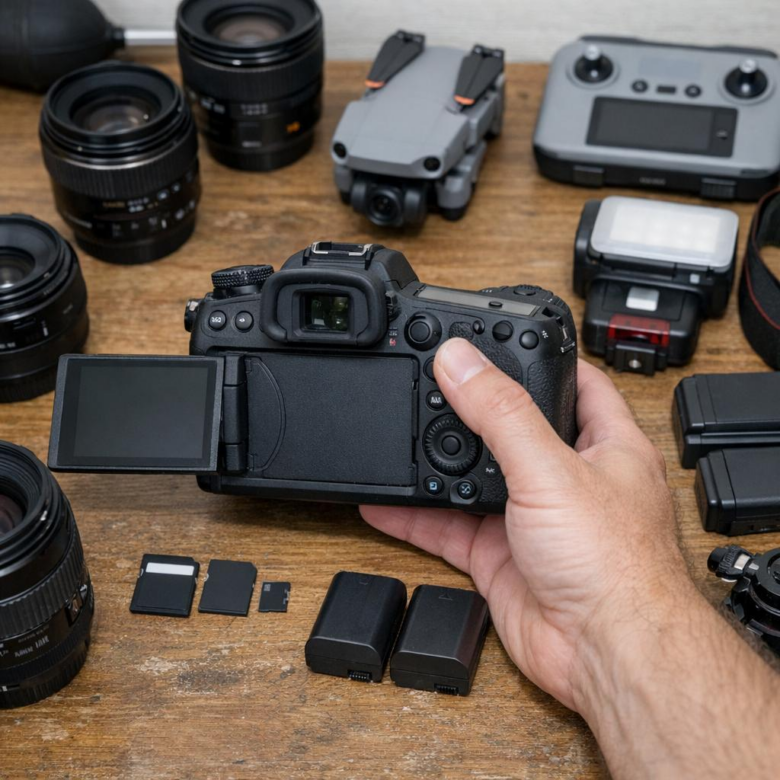
Buying the wrong camera is expensive-especially when the specs look perfect on paper.
The best photography gear isn’t defined by megapixels alone. Sensor performance, autofocus accuracy, lens compatibility, stabilization, and low-light handling often matter far more in real-world shooting.
Before you invest in a new camera, it’s worth knowing which features actually improve image quality, speed, and creative control-and which ones are mostly marketing noise.
This guide breaks down the essential camera features to check so you can choose gear that fits your style, skill level, and budget with confidence.
What Camera Specs Actually Matter: Sensor Size, Resolution, Dynamic Range, and Lens Compatibility
When comparing camera specifications, start with sensor size because it affects image quality, low-light performance, depth of field, and overall camera cost. A full-frame camera is excellent for weddings, portraits, and commercial photography, while APS-C or Micro Four Thirds can be smarter for travel, wildlife, and budget-friendly photography gear.
Resolution matters, but more megapixels are not always better. If you mainly post on Instagram, build a website portfolio, or print small albums, 24MP is usually plenty; if you crop heavily for bird photography or sell large prints, higher resolution gives you more flexibility but also increases storage and editing hardware demands.
Dynamic range is one of the most underrated camera features to check before buying. In real shoots, it helps recover bright skies and shadow detail, especially when editing RAW files in Adobe Lightroom or Capture One.
- Sensor size: Choose based on low-light needs, portability, and lens cost.
- Resolution: Match megapixels to your output, not marketing hype.
- Lens compatibility: Check native lenses, third-party options, and future upgrade paths.
Lens compatibility can save or cost you serious money. For example, a beginner buying a cheap camera body may later discover that fast portrait lenses or professional zoom lenses for that mount are expensive or limited, which makes the “affordable” setup less affordable over time.
A practical rule: buy into a camera system, not just a camera body. Look at available lenses, used gear prices, autofocus performance, repair services, and accessories before deciding between Canon RF, Nikon Z, Sony E, Fujifilm X, or Micro Four Thirds.
How to Evaluate Autofocus, Stabilization, Burst Speed, and Low-Light Performance Before You Buy
Autofocus should be tested in the situations you actually shoot, not just in a camera store. If you photograph weddings, sports, pets, or children, look for reliable eye detection, subject tracking, and fast focus recovery when someone moves toward the lens. A mirrorless camera may advertise hundreds of autofocus points, but real-world tracking matters more than the number on the spec sheet.
For stabilization, check whether the camera has in-body image stabilization, lens-based stabilization, or both. This affects handheld video, travel photography, and low-light shooting without a tripod. A practical test is shooting at slower shutter speeds, such as 1/15 second, and checking sharpness on a laptop instead of judging from the rear screen.
- Autofocus: Test moving subjects, eye AF, and low-light focus accuracy.
- Stabilization: Compare handheld photos and video at slower shutter speeds.
- Burst speed: Check buffer depth, not just frames per second.
Burst speed is useful only if the buffer and memory card support it. A camera that shoots 20 fps but slows after two seconds may be frustrating for wildlife or football photography. Check reviews on DPReview or rent the camera for a weekend through a camera rental service before committing to the full purchase cost.
Low-light performance is about more than high ISO numbers. Look at noise, color accuracy, autofocus reliability, and dynamic range in indoor scenes, concerts, restaurants, or evening portraits. For example, a full-frame camera may produce cleaner files at ISO 6400, but a good APS-C camera with a fast f/1.8 lens can still be the better-value photography gear for many buyers.
Common Camera Gear Buying Mistakes: Overpaying for Megapixels, Ignoring Lenses, and Skipping Ergonomics
One of the most expensive camera buying mistakes is paying extra for megapixels you do not need. A 45MP full-frame mirrorless camera sounds impressive, but if you mainly shoot family portraits, travel photos, social media content, or small business product images, a 24MP camera with better autofocus and low-light performance may deliver better real-world results.
The bigger long-term cost is often the lens system, not the camera body. Before buying photography gear, check the price and availability of portrait lenses, wide-angle lenses, telephoto zooms, and third-party options from brands like Sigma or Tamron; a cheaper camera body can become expensive if every lens costs more than expected.
- Check lens prices on B&H Photo or Adorama before choosing a camera brand.
- Rent the camera for a weekend if possible, especially for weddings, wildlife, or video work.
- Test the grip, menu system, touchscreen, and viewfinder in-store before buying.
Ergonomics are easy to overlook online, but they matter during long shoots. I have seen beginners buy compact cameras because they looked “professional,” then struggle with tiny buttons, poor battery life, and uncomfortable handling during events or travel photography.
A smarter approach is to match the camera to your actual workflow: handheld street photography, tripod-based landscape work, YouTube video recording, or paid client sessions. The best camera features are the ones that save time, reduce missed shots, and fit your lens budget-not just the highest numbers on the spec sheet.
Key Takeaways & Next Steps
Choosing photography gear is less about buying the most advanced camera and more about selecting the tool that supports your shooting style. Prioritize features that solve real problems for you-whether that means faster autofocus, stronger low-light performance, better stabilization, or flexible video options.
Before purchasing, compare cameras against your actual needs, test the handling if possible, and think about lenses, accessories, and long-term system costs. The best choice is the camera that feels reliable in your hands, fits your workflow, and leaves room for your photography to grow.