What happens when your alarm goes off-and you’re asleep, offline, or 30,000 feet in the air?
Smart home security plans often look similar on the surface, but the real difference appears in the moments when seconds matter. Self-monitored systems put control in your hands; professional monitoring adds a trained response layer when you can’t act.
The right choice depends on more than price. Your lifestyle, risk level, local emergency response, smart-home setup, and tolerance for responsibility all shape which plan actually protects you better.
This comparison breaks down how self-monitored and professional smart home security plans differ in cost, response, reliability, convenience, and long-term value-so you can choose protection that fits the way you live.
What Separates Self-Monitored and Professional Smart Home Security Plans?
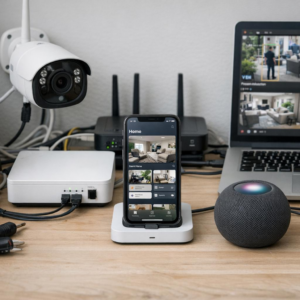
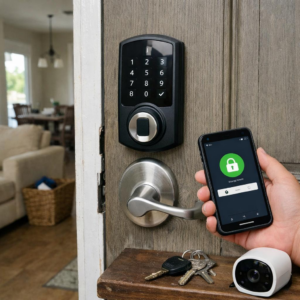
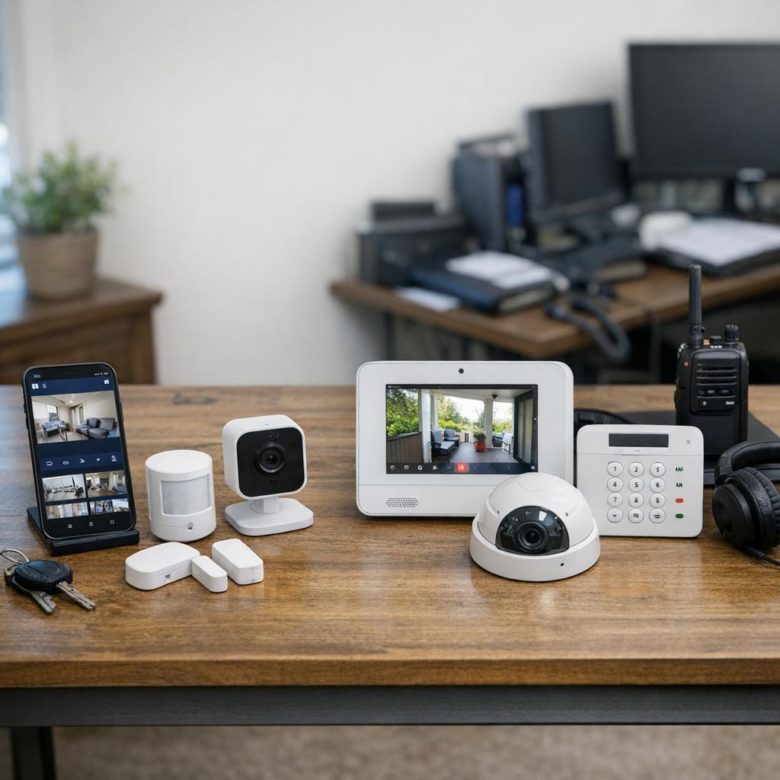
The main difference is who responds when your smart home security system detects trouble. With a self-monitored plan, alerts from cameras, door sensors, motion detectors, or smart locks go directly to your phone, usually through apps like Ring Alarm, Arlo, or Google Home.
Professional monitoring adds a security monitoring center that can contact emergency services if you do not respond. This is useful if you are asleep, traveling, in a meeting, or in an area with poor cell service.
- Self-monitored plans: Lower monthly cost, more control, but you must verify alerts and call police, fire, or medical help yourself.
- Professional plans: Higher monthly monitoring fees, but faster escalation and better backup during emergencies.
- Hybrid setups: Some systems let you switch between self-monitoring and paid professional monitoring as needed.
A real-world example: if a glass-break sensor triggers while you are on a flight, a self-monitored system may only record the event and send missed notifications. With a professional smart home security plan, the monitoring service can attempt to reach you, check your emergency contacts, and request dispatch based on your account settings.
In practice, self-monitoring works best for apartments, low-risk homes, and people who check phone alerts quickly. Professional monitoring is often the better fit for larger homes, frequent travelers, rental properties, elderly family members, or anyone who wants a stronger home security service with emergency response support.
How to Compare Costs, Response Times, Features, and App Controls
Start by comparing the total monthly security monitoring cost, not just the advertised plan price. A self-monitored system may look cheaper, but you may still pay extra for cloud video storage, cellular backup, smart lock integration, or advanced motion detection through platforms like Ring, SimpliSafe, or ADT.
Response time is the biggest difference. With professional monitoring, an alarm center can contact emergency services when you miss a notification. With self-monitoring, everything depends on your phone, Wi-Fi, battery life, and whether you are available to check the alert.
- Cost: Check equipment prices, monthly fees, installation charges, cancellation terms, and video recording subscriptions.
- Response: Ask whether the plan includes 24/7 professional monitoring, cellular backup, and verified emergency dispatch.
- Controls: Test app features such as live camera view, sensor alerts, smart home automation, user codes, and geofencing.
For example, a renter in an apartment may only need self-monitoring with a video doorbell, indoor camera, and mobile alerts. A homeowner with kids, pets, a garage, and frequent travel may get more value from a professional smart home security plan with smoke detection, water leak sensors, and backup communication.
One real-world detail many buyers miss: app controls are only useful if they are fast and simple under stress. Before choosing a home security system, read recent app reviews, check compatibility with Alexa or Google Home, and confirm whether multiple family members can receive alerts without paying for a higher-tier plan.
Common Mistakes to Avoid When Choosing a Smart Home Security Monitoring Plan
One of the biggest mistakes is choosing a plan based only on monthly monitoring cost. A cheap self-monitored security plan may look attractive, but if you miss an alert during work, travel, or sleep, there may be no one to contact emergency services. For a busy family or frequent traveler, professional alarm monitoring from providers like ADT, SimpliSafe, or Ring Protect Pro can offer more practical value.
Another common error is ignoring equipment compatibility. Not every security camera, smart lock, video doorbell, or motion sensor works smoothly with every monitoring service. For example, a homeowner using Google Nest cameras may be frustrated if their chosen alarm monitoring plan does not support the same app ecosystem or smart home automation features.
- Overlooking cellular backup: Wi-Fi-only systems can fail during internet outages, which is exactly when reliable protection matters most.
- Skipping contract details: Check cancellation fees, equipment financing terms, and whether professional monitoring prices increase after promotions.
- Underestimating response needs: Self-monitoring works best if someone is consistently available to verify alerts and act quickly.
A practical tip: map your real routine before buying. If your phone is often on silent, you work in areas with poor reception, or you manage a rental property remotely, professional security monitoring may be worth the higher cost. The best smart home security plan is not always the most advanced one; it is the one that fits how you actually live.
Closing Recommendations
The right security plan is the one you can reliably act on. Self-monitoring works best if you are reachable, comfortable handling alerts, and want lower ongoing costs. Professional monitoring is the stronger choice when you need faster escalation, backup during travel or sleep, or added confidence for higher-risk homes.
Before choosing, weigh your daily availability, local emergency response needs, budget, and tolerance for false alarms. If missed notifications could create serious consequences, professional monitoring is worth the monthly fee. If you prefer control and can respond quickly, self-monitoring may be enough.