One cracked wing or snapped antenna can turn an international resin model shipment into an expensive disappointment.
Fragile resin pieces demand more than bubble wrap and hope-especially when they cross borders, change carriers, and face vibration, pressure, temperature shifts, and customs inspections.
Whether you’re sending a painted miniature, garage kit, prototype, collectible figure, or scale model, the right packaging system protects delicate parts while keeping the parcel compliant and cost-effective.
This guide explains how to prepare, cushion, box, label, and ship resin models internationally so they arrive intact, presentable, and ready to impress.
Why Resin Models Break in International Shipping: Fragility, Weight, Heat, and Customs Handling Risks
Resin models are vulnerable in international shipping because the material is rigid, detailed, and often heavier than it looks. Thin parts such as swords, antennae, wings, horns, and miniature bases can snap when vibration travels through the box, especially during air freight transfers or automated sorting.
Weight is another hidden risk. A dense resin statue may survive a short domestic trip, but overseas shipping exposes it to stacking pressure, conveyor drops, and long handling chains through services like DHL, FedEx, UPS, or national postal networks. If the model can move even slightly inside the packaging, that weight turns into impact force.
Heat can also cause problems, particularly for garage kits, 3D printed resin models, and painted collectibles. Packages left in hot delivery vans, customs warehouses, or airport cargo areas may soften adhesives, warp thin parts, or damage paint and clear coats. This is why temperature-resistant packing materials and a snug inner box matter more than many sellers expect.
- Fragile details: thin resin parts break before the main body does.
- Heavy components: statues can crush weak foam or shift inside the box.
- Customs inspection: repacking may be rough if the parcel is difficult to open safely.
A real-world example: a resin figure with a removable spear may arrive with the body intact but the spear broken because it was packed attached instead of wrapped separately. For international parcel insurance claims, carriers often ask for photos of the packaging, so using proper foam inserts, corner protection, and clear “fragile model” labeling can protect both the item and your shipping cost.
How to Package Fragile Resin Models for Overseas Delivery: Padding, Reinforcement, Double Boxing, and Void Fill
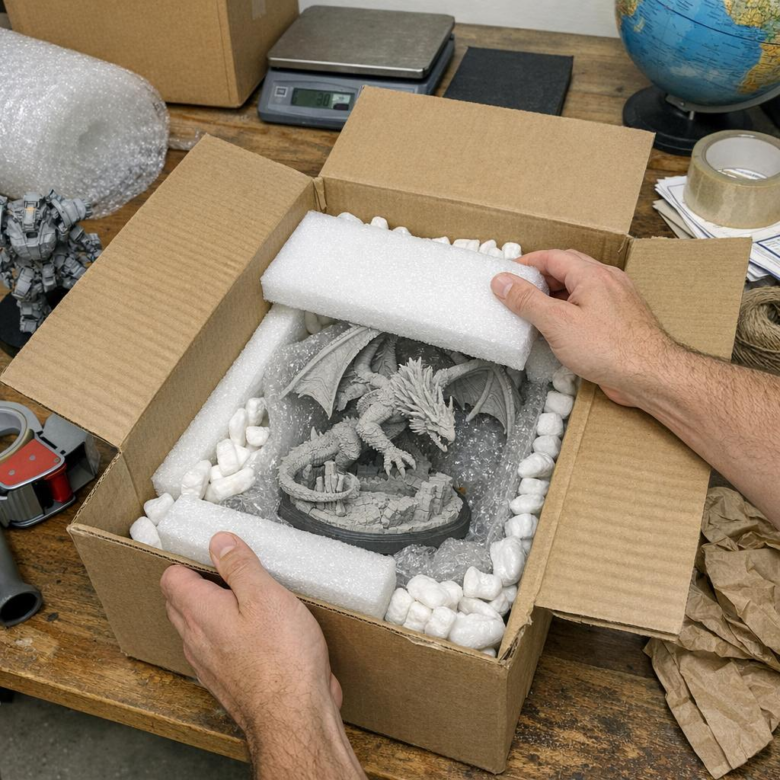
Fragile resin models should be packed as if the box will be dropped, stacked, and shaken during international shipping. Start by wrapping the model in acid-free tissue or soft polyethylene foam, then add small pieces of bubble wrap around thin parts such as swords, antennae, wings, or horns without forcing pressure onto them.
For high-value collectibles, I prefer removing detachable parts and packing them in labeled mini bags or foam pockets. A real-world example: a resin mech figure with shoulder spikes is much safer when the arms and accessories are wrapped separately instead of relying on the original display pose to survive overseas courier handling.
- Padding: Use soft foam sheets, small-bubble wrap, or custom-cut EVA foam around delicate surfaces.
- Reinforcement: Add cardboard splints or foam blocks near weak joints, but never tape directly to painted resin.
- Void fill: Use packing paper or air pillows so nothing moves when the box is gently shaken.
Double boxing is strongly recommended for international parcel delivery. Place the wrapped model in a snug inner box, then suspend that box inside a larger double-wall corrugated carton with at least 5 cm of cushioning on every side.
Before booking with DHL, FedEx, UPS, or a postal shipping service, check dimensional weight using the carrier’s shipping calculator because oversized packaging can increase shipping cost quickly. For expensive resin kits, add declared value coverage or shipping insurance, and photograph each packing layer in case a damage claim is needed.
International Shipping Mistakes to Avoid: Insurance Gaps, Poor Customs Declarations, and Climate-Sensitive Packaging
One of the most expensive mistakes when shipping fragile resin models internationally is assuming standard carrier coverage is enough. Many postal services exclude or limit compensation for collectibles, miniatures, prototypes, and hand-painted resin figures, so check the insurance policy before buying postage through platforms like ShipStation, DHL, FedEx, or UPS.
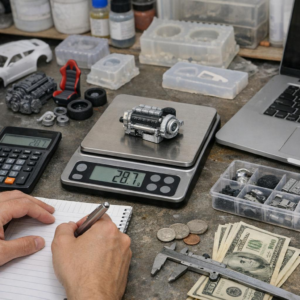
Insure the shipment for the real replacement cost, including painting labor, materials, and international shipping fees. For example, a custom resin garage kit may cost $80 to print, but the finished painted model could be worth several hundred dollars once assembly, sanding, priming, and detail work are included.
- Do not under-declare value: it can void insurance and create customs problems.
- Avoid vague descriptions: use terms like “painted resin model kit” or “non-commercial collectible figure.”
- Keep proof: save invoices, photos before packing, and tracking receipts for claims.
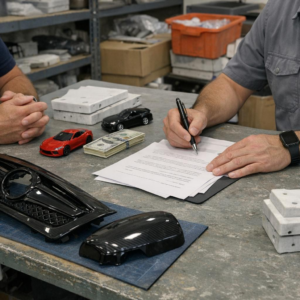
Poor customs declarations can delay delivery, trigger import duties, or cause the package to be opened for inspection. If the item is a sale, declare it accurately; if it is a repair, replacement, or gift, use the correct customs category and include a clear packing invoice inside the box.
Climate-sensitive packaging is another overlooked issue, especially for resin shipped to hot or humid regions. Resin can soften, warp, or stress at thin parts, so avoid leaving models pressed against foam under tension and consider sealed plastic bags, silica gel packets, and rigid double-wall cartons for long transit routes.
In real-world shipping, damage often happens when a well-packed model sits in a hot warehouse or customs depot for days. A small upgrade in packaging materials costs less than replacing a snapped sword, bent antenna, or warped display base.
Wrapping Up: How to Safely Package and Ship Fragile Resin Models Internationally Insights
International shipping of fragile resin models is safest when packaging is treated as part of the model’s protection, not an afterthought. Choose materials and carriers based on the model’s fragility, destination, transit time, and replacement value-not simply the lowest cost.
Practical takeaway: if the piece has fine parts, sentimental value, or commercial importance, use double boxing, rigid internal support, clear documentation, tracking, and insurance. When in doubt, over-protect and declare accurately. A few extra minutes and slightly higher shipping cost are far cheaper than repairing, replacing, or explaining a damaged resin model after it arrives.