One missed key handoff can cost more than the lock itself.
For remote rental property managers, smart door locks are no longer a convenience-they are infrastructure for smoother check-ins, faster turnovers, and fewer emergency calls.
The best models let you issue time-limited codes, revoke access instantly, monitor entry activity, and integrate with platforms your cleaners, guests, and maintenance teams already use.
This guide cuts through flashy features and focuses on the locks that actually make remote rental operations more secure, scalable, and profitable.
What Makes a Smart Door Lock Reliable for Remote Rental Property Management?
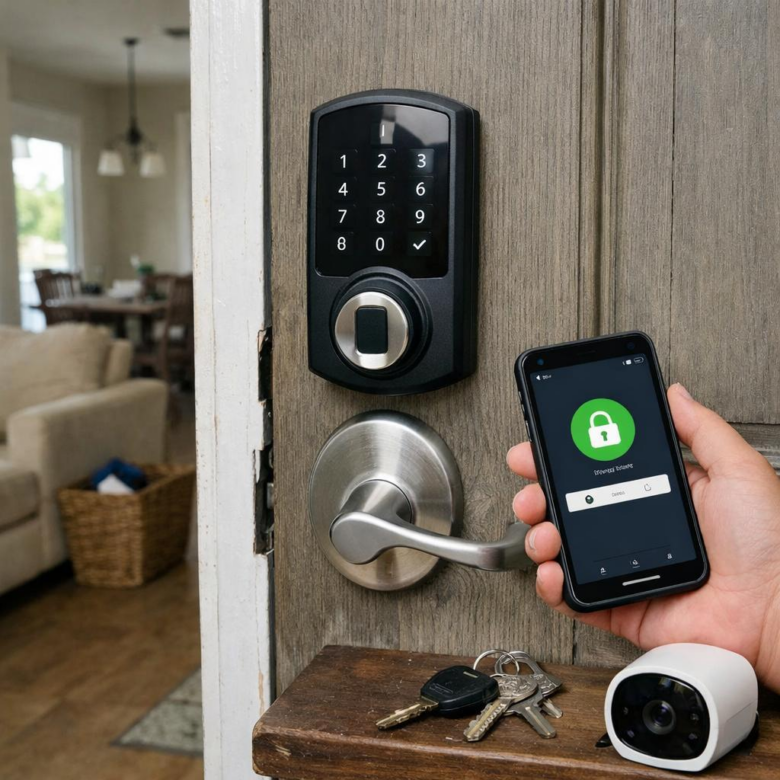
A reliable smart door lock is not just about keyless entry; it is about reducing operational risk when you are not physically near the property. For remote rental property management, the lock should support unique access codes, real-time activity logs, low-battery alerts, and secure remote access control through a stable app or property management software integration.
In real-world use, the biggest test is turnover day. For example, if a guest checks out at 10 a.m. and a cleaner arrives at 11 a.m., you should be able to expire the guest code, issue a cleaner code, and confirm entry from your phone without calling a locksmith or hiding a spare key.
- Reliable connectivity: Wi-Fi locks are convenient, but Z-Wave or Zigbee models paired with a hub can be more stable in larger homes or buildings with thick walls.
- Strong code management: Look for scheduled PIN codes, one-time codes, and automatic code deletion after checkout.
- Platform compatibility: Integration with tools like RemoteLock, Airbnb, Vrbo, or property management systems can save hours each month.
Battery performance also matters more than many owners expect. A premium smart lock with poor battery alerts can create expensive emergency service calls, especially for vacation rentals in rural areas or multi-unit properties where maintenance response time is limited.
Finally, consider the total cost, not just the smart lock price. Installation fees, hub requirements, subscription plans, backup keys, and smart home security compatibility all affect long-term value for landlords and short-term rental hosts.
How to Choose Smart Locks That Support Guest Access, Turnovers, and Property Manager Workflows
For remote rental property management, the best smart lock is not just the one with a sleek app. It should reduce guest lockouts, speed up turnovers, and give owners or property managers a clear access history without needing to visit the property.
Look for smart door locks that support scheduled access codes, temporary PINs, and automatic code expiration. For example, if a guest checks in Friday at 4 p.m. and checks out Monday at 10 a.m., the lock should activate and deactivate their code around those times without manual work.
- Guest access automation: Choose locks that integrate with platforms like RemoteLock, Airbnb, Vrbo, Guesty, or Hospitable.
- Turnover control: Create separate codes for cleaners, maintenance vendors, and inspectors so you can track who entered and when.
- Connectivity and backup: Prefer Wi-Fi or hub-based locks with battery alerts, physical key backup, or offline code support.
In real use, cleaner access is where many owners notice the difference. A dedicated cleaning code helps confirm whether the turnover team arrived on time, which is useful when managing multiple vacation rentals or short-term rental units from another city.
Also consider total cost, not just the lock price. Some smart lock systems require a subscription for property management software integrations, access logs, or multi-property dashboards, but the benefits can outweigh the fee if they reduce emergency locksmith calls and guest support issues.
Common Smart Lock Mistakes That Create Security Risks, Lockouts, and Poor Guest Experiences
One of the biggest mistakes rental owners make is choosing a smart lock based only on price. A low-cost keypad lock may work for a personal home, but remote rental property management needs features like temporary access codes, activity logs, battery alerts, and reliable Wi-Fi or Z-Wave connectivity.
Another common issue is reusing the same door code for every guest. It feels convenient until a previous guest, cleaner, or contractor can still access the property after checkout. Platforms like RemoteLock, August, and Schlage Encode can automate guest code creation and expiration, which reduces manual work and improves vacation rental security.
- Not testing codes before check-in, especially after a firmware update or Wi-Fi outage.
- Ignoring battery replacement until the lock fails during a guest arrival.
- Installing a smart lock without a physical backup key or local emergency access plan.
A real-world example: if a guest arrives at 11 p.m. and the lock is offline because the router was unplugged by the previous tenant, your “contactless check-in” becomes an emergency support call. In practice, I’ve seen this happen most often when owners rely on the smart lock app but never verify the property’s internet equipment after turnovers.
For better results, pair the lock with a property management system, set low-battery notifications, keep a trusted local contact, and document a clear backup entry process. The best smart door lock is not just the one with the most features; it is the one that keeps guest access secure, predictable, and easy to manage from anywhere.
Closing Recommendations
The best smart lock for a remote rental is the one that reduces operational friction, not just the one with the most features. Prioritize reliable remote access, guest-specific codes, activity logs, battery alerts, and platform compatibility with your booking and property management tools.
- Choose Wi-Fi or hub-based locks if you need real-time control.
- Pick keypad-first designs to avoid app dependency for guests.
- Favor proven durability and easy rekeying for high-turnover properties.
A well-chosen lock protects your property, improves guest experience, and saves you unnecessary site visits.