What if the platform you choose is costing you more miniature sales than your sculpting, printing, or painting ever will?
Selling 3D printed miniatures is not like selling generic products: buyers care about detail shots, scale options, licensing, shipping protection, and trust before they click “buy.”
The right e-commerce platform can help you showcase fragile, high-detail prints, manage made-to-order workflows, handle variants, and reach collectors, tabletop gamers, and hobby painters without drowning in fees or admin work.
This guide compares the best platforms for selling 3D printed miniatures, from marketplaces with built-in traffic to standalone stores built for long-term brand growth.
What Makes an E-commerce Platform Suitable for Selling 3D Printed Miniatures?
A good e-commerce platform for 3D printed miniatures must handle more than simple product listings. Miniatures often come with size options, resin choices, painted or unpainted versions, custom bases, and fragile shipping requirements, so the platform needs strong product variation controls, secure payment processing, and reliable shipping integrations.
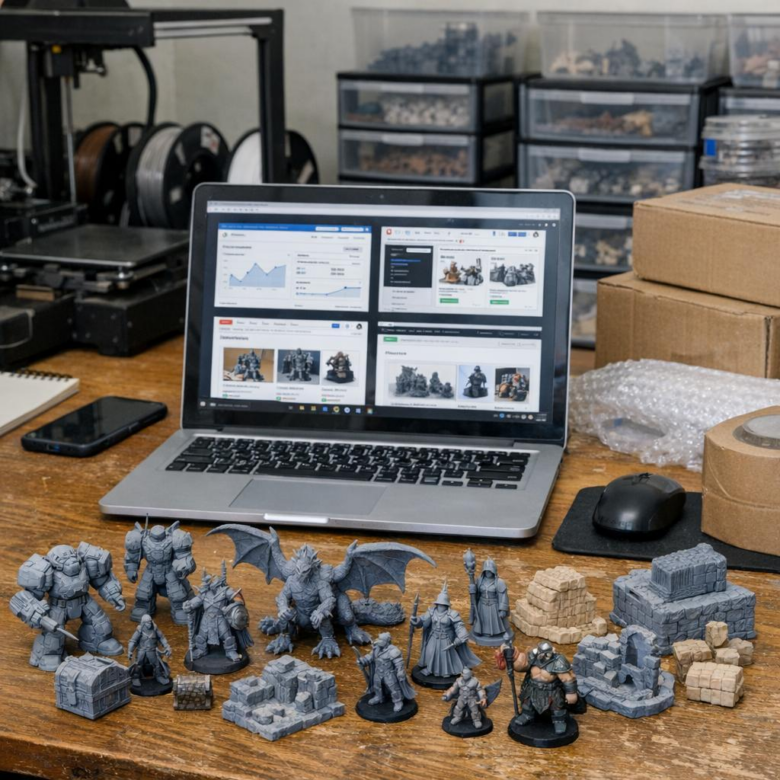
For example, a seller offering tabletop RPG miniatures may need to list the same dragon model in 28mm, 32mm, and 75mm scales, while also charging more for premium resin or hand-painted finishes. Platforms like Shopify make this easier with apps for product options, automated tax calculation, discount codes, and shipping label services, which can save time once orders increase.
- Customization support: Look for platforms that allow file notes, made-to-order requests, and add-ons such as priming, sanding, or custom miniature painting.
- Inventory and order management: Since 3D printing depends on printer capacity, resin cost, and production time, tools for backorders and fulfillment tracking are important.
- Marketing features: Built-in SEO tools, email marketing, abandoned cart recovery, and paid ads integration can help attract buyers searching for DnD miniatures, wargaming terrain, or collectible figures.
In practice, the best platform is the one that matches your workflow. If you sell one-off custom miniatures, flexibility matters most; if you sell repeatable products, automation, payment security, and shipping software become much more valuable.
How to Compare Marketplace Fees, Customization Options, and Fulfillment Tools
When choosing where to sell 3D printed miniatures, compare the total selling cost, not just the listing fee. A platform like Etsy can bring ready-made buyer traffic, but transaction fees, payment processing, offsite ads, and shipping label costs can reduce your margin on low-priced minis.
For example, a $12 resin miniature with paid shipping may look profitable until you add marketplace fees, packaging, failed prints, primer samples, and customer service time. If you sell custom D&D characters or wargaming proxies, build those costs into your pricing before deciding whether a marketplace or your own Shopify store is better.
- Fees: Check listing fees, transaction fees, payment processing, advertising costs, chargeback policies, and currency conversion charges.
- Customization: Look for product variants, personalization fields, file upload options, bundled sets, and clear order notes for scale, pose, or base size.
- Fulfillment: Compare shipping label discounts, tracking automation, inventory tools, batch order management, and integrations with services like ShipStation or Pirate Ship.
Customization matters more for miniatures than many sellers expect. Buyers often ask for 28mm versus 32mm scale, hollowed resin prints, magnetized parts, or unpainted versus primed models, so your platform should make those choices easy without endless messages.
Fulfillment tools are just as important once orders grow. A marketplace is fine for testing demand, but if you are printing multiple armies per week, automated shipping, SKU tracking, and customer notification tools can save hours and reduce costly mistakes.
Common Platform Mistakes That Limit Miniature Sales and Repeat Buyers
One of the biggest mistakes sellers make is choosing an e-commerce platform only by monthly cost. A cheap store can become expensive if it lacks product variants, shipping rules, abandoned cart recovery, or reliable payment processing for international buyers. For 3D printed miniatures, those features matter because customers often buy by scale, material, pose, and faction theme.
Another common issue is treating miniatures like simple physical products. A listing with one blurry photo and a vague “resin miniature” title rarely converts well. On platforms like Shopify or Etsy, use clear scale labels such as 28mm or 32mm, show painted and unpainted examples, and explain whether supports are removed, models are cured, and bases are included.
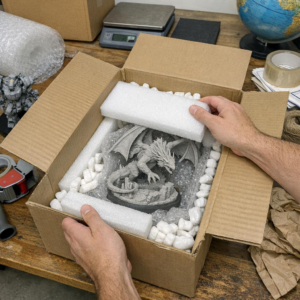
- Poor shipping setup: charging flat rates without considering fragile packaging, tracking, and replacement cost can reduce profit fast.
- No customer retention tools: skipping email marketing, discount codes, and restock alerts makes repeat buyers less likely.
- Weak licensing details: failing to mention commercial-use rights can create trust issues with serious tabletop gamers.
A real-world example: a seller offering DnD miniatures may get traffic from Instagram, but lose buyers if checkout does not show delivery estimates or bundle discounts for party sets. In practice, stores that organize products by game system, scale, and use case make browsing easier. That small platform setup decision can directly improve conversion rate, average order value, and long-term customer loyalty.
Closing Recommendations
The best platform is the one that matches how you want to sell. If you need speed and built-in traffic, start with a marketplace. If you want control over branding, pricing, customer data, and long-term growth, build your own store. For many miniature sellers, the smartest path is a hybrid setup: use marketplaces to validate demand, then move loyal buyers toward your branded shop.
Choose based on your catalog size, customization options, production capacity, and marketing skills. A platform should not only process orders-it should help you protect margins, present your miniatures professionally, and scale without adding unnecessary complexity.