Why do some custom diecast models sell for premium prices while others get ignored?
High-paying collectors are not just buying miniature cars-they are buying rarity, craftsmanship, nostalgia, and status in a market where details can multiply perceived value.
To attract serious buyers, your marketing must go beyond basic product photos and generic listings. It needs to position each piece as a collectible asset with a story, limited availability, and proof of quality.
This guide breaks down the strategies that help custom diecast creators, sellers, and brands reach collectors who are willing to pay more for the right model.
What High-Paying Custom Diecast Collectors Value Before They Buy
Premium custom diecast collectors rarely buy on impulse. They look for craftsmanship, proof of authenticity, and confidence that the model will hold display value over time. If your marketing only shows a finished car, you are missing the details that justify a higher custom diecast price.
What usually matters most is the quality of the paintwork, wheel fitment, decals, interior detailing, and packaging. Clear close-up photos, macro shots, and short build videos help buyers see the difference between a basic repaint and a professional custom diecast model. Many serious collectors also want to know whether the base casting is from Hot Wheels, Mini GT, Tarmac Works, or another recognized brand.
- Build transparency: show before-and-after photos, materials used, and any donor car details.
- Limited availability: numbered editions, one-off commissions, and signed display cards can increase perceived value.
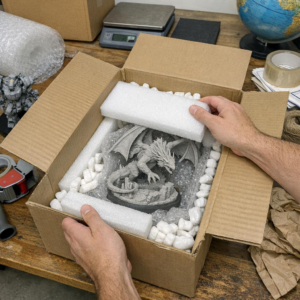
- Safe delivery: premium buyers care about insured shipping, protective cases, and damage-free packaging.
A real-world example: a custom Porsche 911 with hand-painted trim, lowered stance, rubber tires, and a branded acrylic display case will feel more valuable than the same model photographed on a messy desk. Using Shopify product pages, you can add build notes, high-resolution images, shipping insurance options, and customer reviews in one place.
From experience, collectors paying higher prices often ask fewer questions when the listing already answers the expensive concerns: condition, rarity, finish quality, and shipping protection. Make those trust signals visible before they have to ask.
How to Build Premium Marketing Campaigns for Custom Diecast Buyers
Premium custom diecast buyers do not respond well to generic “new release” ads. Build campaigns around exclusivity, craftsmanship, and proof: close-up paint details, limited production notes, prototype images, and clear pricing for customization options. The goal is to make the buyer feel they are commissioning a collectible, not just ordering a toy car.
Start with segmented audiences in Meta Ads Manager or Google Ads. Separate collectors by interest, such as JDM cars, classic muscle, racing liveries, emergency vehicles, or corporate fleet replicas. This keeps your ad spend cleaner and helps lower customer acquisition cost because each message feels specific.
- Retargeting ads: Show finished builds to visitors who viewed custom order pages but did not purchase.
- Email automation: Use Klaviyo or Mailchimp to send build updates, preorder alerts, and abandoned cart reminders.
- Landing pages: Create separate pages for premium commissions, bulk corporate orders, and limited-edition drops.
A real-world example: if you create a 1:64 custom Porsche with hand-painted details, run one campaign showing the build process and another showing the finished display case. In practice, collectors often ask more questions when they see progress photos because it proves the work is not mass-produced.
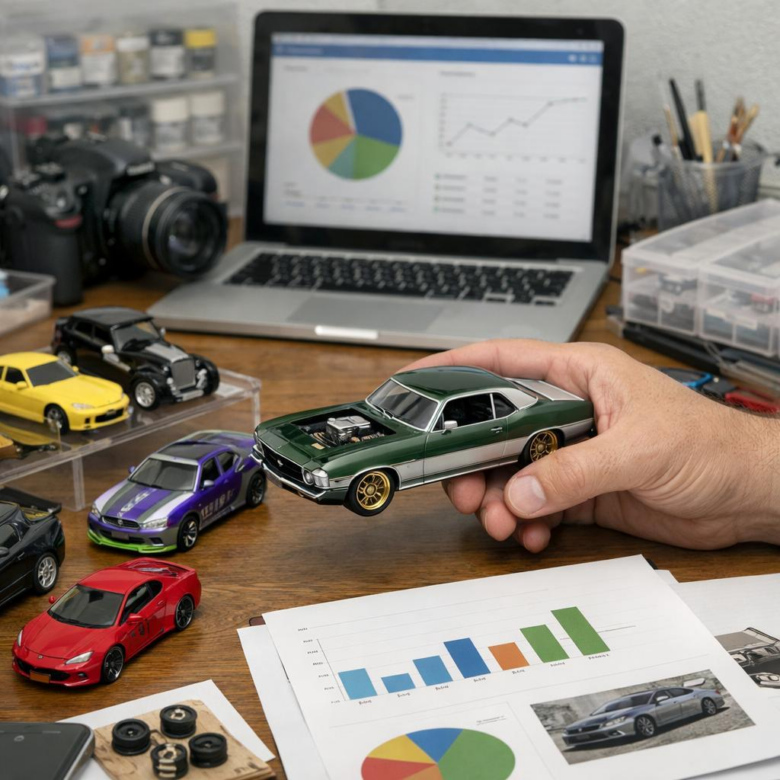
Track conversion rate, average order value, and cost per lead using Google Analytics 4. For higher-ticket buyers, add a short inquiry form instead of forcing instant checkout; many serious collectors want to discuss color codes, packaging, turnaround time, and shipping insurance before paying.
Common Mistakes That Undermine Sales to Serious Diecast Collectors
One of the fastest ways to lose high-paying buyers is presenting a custom diecast model like a casual toy listing. Serious collectors want proof of craftsmanship, scale accuracy, restoration quality, and provenance, not vague phrases like “rare custom” or “premium finish.” If the listing lacks close-up photos, build notes, paint details, or packaging condition, they assume the risk is too high.
Poor photography is another costly mistake. A $300 custom 1:18 diecast car photographed on a cluttered desk will feel cheaper than the same model shot with controlled lighting, a neutral background, and macro detail images. Tools like Adobe Lightroom can help correct color accuracy, which matters when buyers are comparing factory paint, custom decals, chrome trim, and interior flocking.
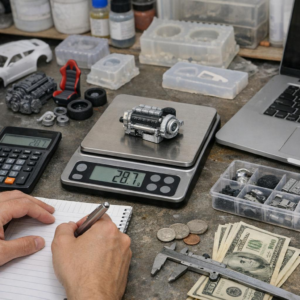
- Overpricing without justification: Explain labor hours, donor model cost, aftermarket parts, and custom paint services.
- Ignoring collector terminology: Use accurate terms such as resin conversion, waterslide decals, limited edition, mint in box, or display case included.
- Weak shipping practices: Premium buyers expect insured shipping, protective packaging, and clear handling policies.
A real-world example: a seller offering a custom Porsche 911 RWB build will attract better offers by showing the wheel fitment, body kit alignment, paint finish, and underside details instead of posting one front-angle photo. Serious collectors pay for confidence. The more clearly you document quality, cost, and care, the easier it becomes to justify a higher sale price.
Summary of Recommendations
Attracting high-paying custom diecast collectors comes down to positioning, proof, and precision. These buyers are not looking for the cheapest model; they are paying for rarity, craftsmanship, story, and confidence in the creator.
The smartest next move is to market fewer pieces with stronger value signals: premium visuals, clear customization options, documented quality, collector-focused storytelling, and limited availability. If a strategy does not build trust or increase perceived exclusivity, refine it or remove it. Aim to become the trusted specialist collectors seek out-not just another seller competing on price.