What if the most effective wildlife protectors are not outside experts, but the people who live beside the animals every day?
Community-led conservation works because it connects habitat protection with local rights, livelihoods, culture, and long-term stewardship.
But good intentions are not enough. Supporting these programs requires trust, shared decision-making, fair funding, and a clear understanding of what communities actually need.
This step-by-step guide shows how to back community-led wildlife conservation in ways that are practical, respectful, and built to last.
What Community-Led Wildlife Conservation Means and Why Local Stewardship Matters
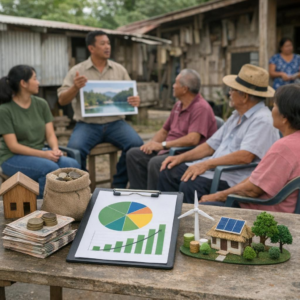
Community-led wildlife conservation means local people help design, manage, and benefit from protecting wildlife and habitats. Instead of treating nearby communities as outsiders, these programs involve them in decisions about land use, anti-poaching patrols, human-wildlife conflict response, eco-tourism revenue, and conservation funding. This matters because the people living closest to wildlife usually notice problems first.
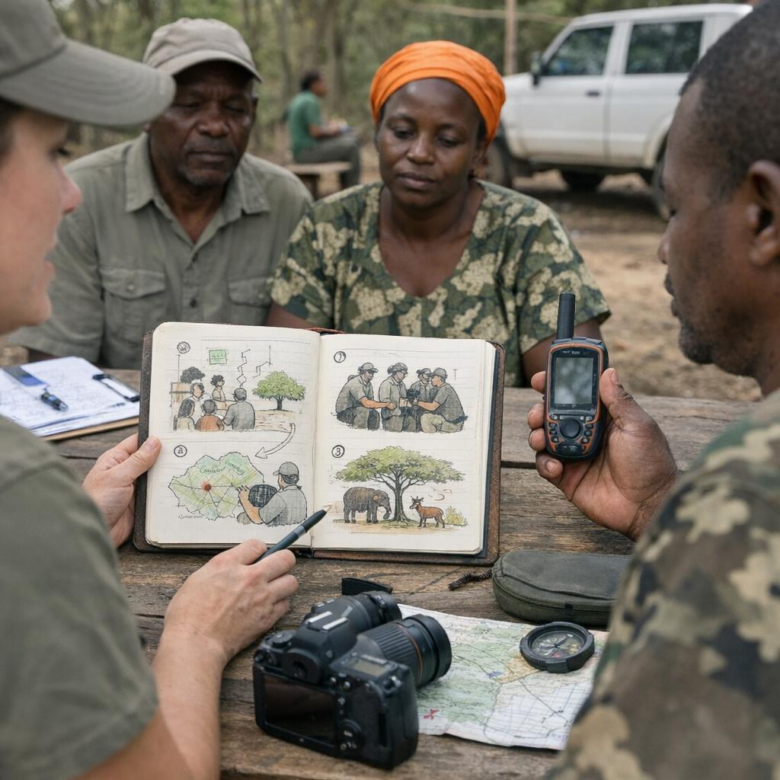
In practical terms, local stewardship can include training community rangers, installing wildlife monitoring cameras, using GPS devices for patrol routes, or mapping conflict hotspots with SMART Conservation Tools. For example, in parts of Namibia, communal conservancies have helped local residents earn income from responsible tourism while supporting wildlife protection on shared land. The key lesson is simple: conservation lasts longer when benefits are visible at the household level.
- Local rangers can report illegal activity faster than distant agencies.
- Community meetings help identify fair solutions for crop damage or livestock loss.
- Tourism partnerships can create jobs while funding habitat restoration and monitoring costs.
A real-world insight: trust is often more important than expensive equipment. A drone survey, camera trap, or GIS mapping service can improve wildlife data, but the program will struggle if communities are not paid fairly, consulted early, or protected from financial losses. Strong local stewardship turns conservation from an outside project into a shared asset with clear costs, benefits, and responsibilities.
How to Support Community Conservation Programs Through Funding, Training, and Ethical Partnerships
Start by funding what communities actually need, not what looks attractive in a donor report. In many wildlife conservation programs, practical costs like ranger salaries, GPS devices, camera traps, fuel, insurance, veterinary care, and mobile data plans are more urgent than one-time awareness events.
Before donating, ask for a simple budget, monitoring plan, and proof that local leaders are involved in financial decisions. Platforms like GlobalGiving can help identify vetted conservation projects, but direct support to registered community conservancies or local NGOs may reduce administrative costs when proper accountability systems are in place.
- Fund recurring operating costs, including patrol equipment, field training, and wildlife monitoring software.
- Support skills training in conflict resolution, eco-tourism management, grant writing, and first aid.
- Choose partners that use ethical photography, fair wages, and community consent agreements.
A real-world example is community conservancy work in northern Kenya, where local scouts use GPS tracking, radio communication, and wildlife data collection to reduce poaching and manage human-wildlife conflict. What often makes these programs work is not expensive technology alone, but consistent training and trust between elders, landowners, rangers, and conservation officers.
Ethical partnerships should be written down clearly. Use memorandums of understanding, transparent payment terms, safeguarding policies, and benefit-sharing agreements so communities are not used as unpaid “local access” for researchers, tour operators, or documentary teams.
If you run a business, consider long-term sponsorship instead of one-off donations. Reliable conservation funding helps programs plan patrol schedules, maintain equipment, and keep trained local staff employed when tourism income drops.
Common Mistakes to Avoid When Working With Indigenous and Local Conservation Leaders
One of the biggest mistakes is treating community leaders as “stakeholders” instead of decision-makers. If a wildlife conservation program uses local land, traditional knowledge, rangers, or sacred sites, the community should help design the budget, monitoring plan, data ownership rules, and benefit-sharing model from the start.
Another common error is arriving with expensive conservation technology before asking what is actually useful. GPS collars, camera traps, drones, and GIS mapping software can improve wildlife monitoring, but they also bring costs for training, repairs, internet access, permits, and insurance. A practical approach is to test tools like SMART Conservation Tools or ArcGIS with local rangers first, then build a realistic maintenance plan.
- Ignoring consent protocols: Always follow Free, Prior and Informed Consent, especially when collecting wildlife data, photos, or traditional ecological knowledge.
- Paying consultants but not local experts: Budget fairly for guides, elders, trackers, translators, and community coordinators.
- Measuring success only by animal numbers: Track local jobs, reduced conflict, cultural priorities, and conservation education benefits too.
A real-world example: in many community conservancy projects, local trackers can identify animal movement patterns long before a camera trap captures proof. Ignoring that knowledge can lead to poor placement of monitoring devices, wasted grant funding, and weak conservation impact reporting.
Finally, avoid short-term project thinking. Community-led wildlife conservation needs long-term financing, transparent agreements, conflict resolution processes, and local capacity building-not just a one-year donor report with attractive photos.
Wrapping Up: Step-by-Step Guide to Supporting Community-Led Wildlife Conservation Programs Insights
Community-led wildlife conservation succeeds when support strengthens local authority rather than replacing it. The most effective role for partners, donors, and volunteers is to provide resources, technical skills, fair funding, and long-term trust while allowing communities to define priorities.
Practical takeaway: choose programs that show transparent governance, measurable ecological benefits, and genuine benefits for local people. If a project protects wildlife but ignores livelihoods, it is unlikely to last. Support the initiatives where conservation, culture, and community well-being move forward together.