One delayed border crossing can cost more than the airfare. For international business travelers, speed through immigration is not a luxury-it is operational risk management.
Global Entry, expedited visa processing, and trusted traveler programs can turn unpredictable travel into a competitive advantage when meetings, site visits, and deal timelines depend on timely arrival.
But approval is never automatic. Eligibility, documentation, background checks, interview scheduling, and country-specific visa rules all require careful planning before travel becomes urgent.
This guide explains how executives, founders, and global teams can secure faster entry options, avoid common application mistakes, and build a smarter strategy for cross-border business travel.
What Global Entry and Expedited Visa Programs Mean for International Business Travelers
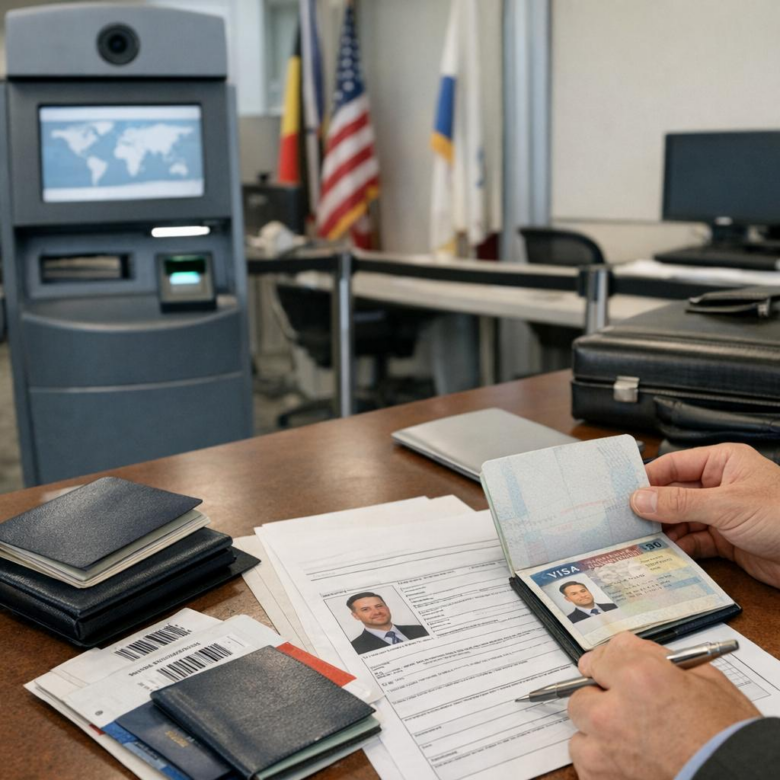
For international business travelers, Global Entry and expedited visa programs are not just convenience perks; they are risk-management tools. Global Entry, managed through the CBP Trusted Traveler Programs portal, helps pre-approved travelers use automated kiosks when entering the United States, reducing time spent in immigration lines after long-haul flights.
The real value shows up when schedules are tight. For example, a sales director flying from London to New York for a same-day client meeting may avoid a long arrivals queue, reach Manhattan faster, and protect a high-value business opportunity that could otherwise be delayed by airport processing.
Expedited visa services serve a different purpose: they help travelers secure required entry documents faster when a standard embassy timeline does not match the trip date. Platforms such as CIBTvisas, VisaHQ, and Sherpa can help companies check visa requirements, document rules, processing costs, and destination-specific business travel restrictions before booking flights.
- Global Entry: Best for frequent U.S. arrivals and eligible travelers who want faster border clearance.
- Expedited business visas: Useful for urgent meetings, conferences, site visits, or contract negotiations.
- Corporate travel teams: Can combine these programs with travel insurance, itinerary tracking, and compliance tools.
A practical tip: do not wait until a deal is signed to review visa requirements. In real corporate travel planning, the biggest delays often come from missing invitation letters, passport validity issues, or unclear trip purposes rather than the visa application itself.
How to Apply for Global Entry, Business Visas, and Fast-Track Immigration Clearance
Start by separating your needs: Global Entry is for expedited U.S. re-entry, while a business visa covers meetings, conferences, contract negotiations, or market research abroad. For Global Entry, apply through the Trusted Traveler Programs portal, pay the application fee, complete the background check, and schedule an interview at an enrollment center or use Enrollment on Arrival after an international flight.
For business visas, check the destination country’s official consulate website before using any visa service, because requirements change often. A typical application may require a valid passport, invitation letter, proof of employment, travel insurance, bank statements, and a detailed itinerary; frequent travelers should keep digital copies in a secure cloud folder to speed up future applications.
- Use iVisa or a reputable immigration attorney for complex multi-country travel or tight deadlines.
- Book refundable flights and hotels when visa approval is uncertain.
- Match your visa purpose exactly to your activity; “business meetings” is not the same as paid local work.
A real-world example: a sales director traveling from New York to London, Frankfurt, and Dubai may use Global Entry for faster return to the U.S., a UK Electronic Travel Authorization if required, and a UAE business entry arrangement through a sponsor. In practice, the biggest delays usually come from missing invitation letters or inconsistent job titles across documents, not from the online form itself.
Common Global Entry and Expedited Visa Mistakes That Delay Business Travel
One of the most common Global Entry mistakes is waiting until a trip is already booked. Conditional approval can take time, and interview slots at major airports often disappear quickly, especially before conference seasons or year-end corporate travel peaks.
Business travelers also lose days because their passport details, employer information, or travel history do not match across systems. A simple mismatch between a Global Entry application, visa application, and company travel profile can trigger extra review or create problems at check-in.
- Using an expiring passport for a visa or trusted traveler application
- Forgetting to update Global Entry after receiving a new passport
- Assuming expedited visa processing means guaranteed approval
A real-world example: an executive heading to São Paulo for investor meetings had a valid visa but renewed her passport two weeks before departure. Because her airline profile and visa documentation were not updated, she spent hours resolving the issue before boarding. That kind of delay is avoidable with a pre-trip document audit.
Use tools like CBP Trusted Traveler Programs and CIBTvisas to check application status, appointment availability, visa requirements, processing cost, and document rules by destination. Corporate travel managers should also keep copies of passport pages, approval notices, and visa receipts in a secure travel management platform.
The practical rule is simple: verify documents before booking nonrefundable flights, not after. For high-value business travel, the small cost of expedited passport services or professional visa support is often cheaper than a missed client meeting.
Final Thoughts on Securing Global Entry and Expedited Visas for International Business
For international business travelers, speed at the border is not just a convenience-it is a competitive advantage. The right strategy depends on travel frequency, destination mix, risk tolerance, and documentation readiness. Global Entry is ideal for recurring U.S. arrivals, while expedited visa services are best used when timing, deal value, or market access justifies the added cost.
Before committing, assess upcoming travel patterns, application timelines, and compliance obligations. The practical takeaway: plan early, keep records current, and choose expedited options only where they protect business continuity or unlock time-sensitive opportunities.