What happens if a $500,000 machine disappears somewhere between Shanghai, Rotterdam, and your loading dock?
For companies moving high-value business equipment across borders, the biggest risk is often not the journey itself-it is discovering too late that standard freight liability covers only a fraction of the loss.
Global transit exposes critical assets to theft, mishandling, port delays, customs holds, weather events, and coverage gaps between carriers, warehouses, and jurisdictions.
This guide explains how to insure expensive commercial equipment in international transit, what policies to consider, which exclusions to watch, and how to structure coverage before the shipment leaves origin.
What Global Transit Insurance Covers for High-Value Business Equipment
Global transit insurance protects expensive business assets while they move across borders by air, sea, road, rail, or courier. For high-value equipment, coverage usually applies from the moment the item leaves your premises until it reaches the final destination, depending on whether the policy is written as door-to-door, warehouse-to-warehouse, or port-to-port coverage.
Typical covered risks include theft, accidental damage, fire, collision, vessel sinking, cargo handling damage, and loss during loading or unloading. For example, if a $75,000 medical imaging component is damaged while being transferred at an airport cargo terminal, a properly structured cargo insurance policy may cover repair or replacement costs, minus the deductible.
- Physical damage: cracked servers, broken laboratory instruments, dented manufacturing parts, or impact-damaged electronics.
- Theft or non-delivery: stolen IT equipment, missing camera gear, or lost trade show displays during international shipping.
- General average and salvage charges: extra costs that may apply in ocean freight emergencies.
One detail businesses often overlook is valuation. Insurers may cover equipment based on invoice value, replacement cost, declared value, or agreed value, so it is important to document serial numbers, purchase invoices, condition reports, and photos before shipment.
In practice, I’ve seen claims move faster when companies use shipment tracking tools like FedEx Advanced Tracking or freight management platforms such as Flexport alongside a clear packing list and certificate of insurance. This gives the insurer a cleaner timeline and helps prove where the loss or damage likely occurred.
Specialized policies may also cover temporary imports, demo equipment, leased machinery, and high-value electronics sent for repairs, exhibitions, or client installations. Always check exclusions for inadequate packaging, unattended vehicles, customs delays, war risks, and temperature-sensitive goods, since these often require endorsements or separate insurance coverage.
How to Insure Expensive Machinery, Electronics, and Tools for International Shipping
Start by matching the insurance policy to the real risk profile of the shipment, not just its invoice value. Heavy machinery, diagnostic electronics, and precision tools may need “all-risk cargo insurance” with specific coverage for loading damage, theft, water exposure, and mishandling during customs inspections.
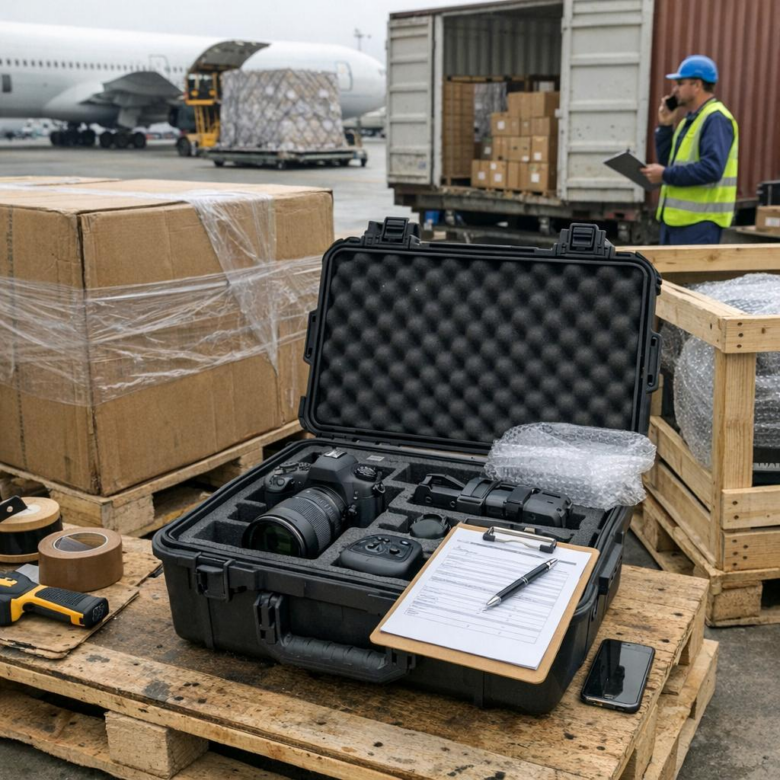
Before booking freight, prepare a clean documentation pack: commercial invoice, serial numbers, photos, packing list, and replacement value. For example, if you are shipping a CNC control panel from Germany to the United States, insurers may ask for proof of anti-static packaging, shock indicators, and professional crating before approving full coverage.
- Use a freight platform like Flexport to compare shipping services, track transit milestones, and request cargo insurance options.
- Ask whether coverage is based on declared value, replacement cost, or depreciated market value.
- Confirm exclusions for used equipment, batteries, fragile components, and unattended storage.
One practical detail often missed: standard carrier liability is usually limited and may not cover the true cost of high-value business equipment. A dropped industrial laser, damaged server rack, or stolen tool pallet can create repair bills, downtime, and emergency replacement costs far beyond the freight charge.
For expensive electronics and tools, use tamper-evident seals, GPS trackers, moisture indicators, and impact labels. These small devices strengthen insurance claims because they help show when and where damage likely occurred during international transit.
Finally, review claim deadlines before the shipment leaves. Some cargo insurance providers require immediate notice, photos of the damaged packaging, and inspection records before repairs begin.
Common Coverage Gaps That Put High-Value Equipment Shipments at Risk
One of the biggest mistakes businesses make is assuming standard freight insurance covers the full replacement cost of expensive machinery, medical devices, servers, or laboratory equipment. In many policies, coverage is limited by weight, declared value, or carrier liability rules, which can leave a serious shortfall after damage, theft, or total loss.
Pay close attention to exclusions around improper packaging, unattended cargo, customs delays, and temperature-sensitive equipment. For example, a company shipping diagnostic equipment overseas may discover that moisture damage inside the container is excluded because the insurer required vapor-barrier packaging and humidity indicators, but the freight forwarder used standard crating only.
- Valuation gaps: The policy may cover invoice value, but not installation cost, software licensing, calibration, expedited replacement, or business interruption.
- Transit handoff gaps: Coverage may stop at the port, warehouse, or airport instead of continuing door-to-door.
- Documentation gaps: Missing inspection reports, photos, serial numbers, or packing records can weaken a cargo insurance claim.
In practice, the best risk checks happen before the shipment is booked. Use platforms like Flexport or your freight forwarder’s shipment management portal to confirm Incoterms, cargo value declarations, route details, and warehouse transfers, then match those details against the marine cargo insurance policy.
Also ask whether the policy includes all-risk cargo insurance, warehouse-to-warehouse coverage, and coverage for loading and unloading. These small details often determine whether a high-value equipment shipment is properly protected or only partially insured when something goes wrong.
Final Thoughts on How to Insure High-Value Business Equipment During Global Transit
Protecting high-value equipment in global transit is ultimately a risk-management decision, not just a shipping formality. The right policy should match the equipment’s value, route complexity, handling requirements, and potential business interruption if something goes wrong. Before shipment, confirm coverage limits, exclusions, valuation method, claims process, and documentation standards. Choose insurance based on the real financial impact of loss or damage-not the lowest premium. When equipment is critical to operations, working with a specialist broker or insurer can help ensure coverage is precise, enforceable, and ready when it matters most.