Your blender is either speeding up service-or quietly costing you money every shift.
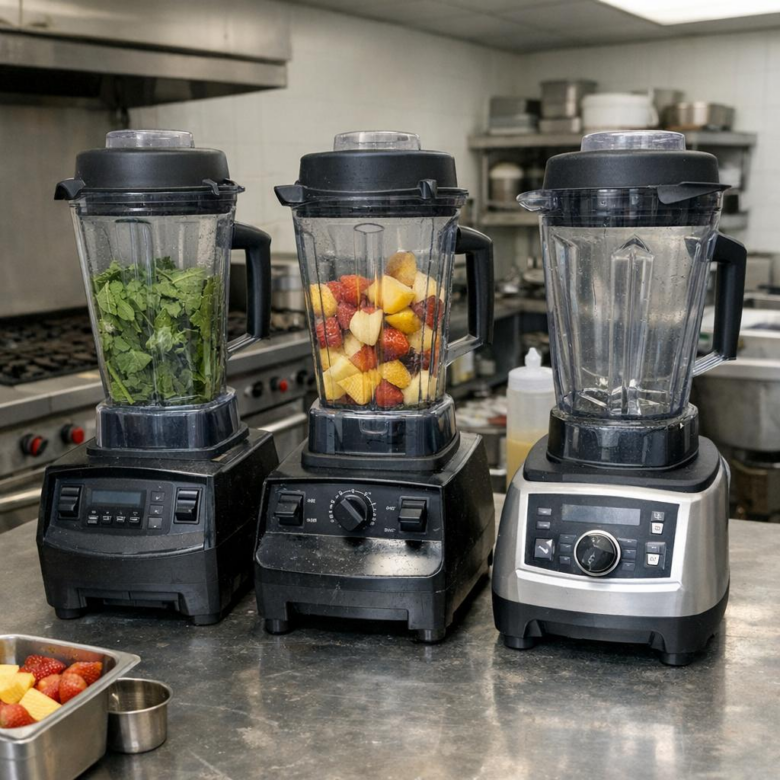
In a professional kitchen, a high-performance blender is not a countertop luxury; it is a daily production tool expected to crush ice, emulsify sauces, purée soups, blend frozen drinks, and survive back-to-back use without overheating.
The best models combine serious motor power, durable jars, precise speed control, easy cleaning, and consistent texture under pressure. For chefs, bar managers, caterers, and café operators, the right choice directly affects prep speed, menu quality, and long-term equipment costs.
This guide focuses on blenders built for heavy daily use-machines that can handle demanding workflows, not just occasional smoothies.
What Defines a Professional-Grade High-Performance Blender for Daily Kitchen Use
A professional-grade high-performance blender is built for repeat use, not occasional smoothies. The key difference is durability under load: a strong motor, hardened stainless-steel blades, a stable jar design, and cooling that can handle back-to-back blending without overheating.
For daily kitchen use, look beyond peak wattage. A serious commercial blender should crush ice, emulsify dressings, blend hot soups, grind nuts, and process frozen fruit without stalling or leaving chunks. In a busy café or meal-prep kitchen, for example, a Vitamix blender may run through smoothies in the morning, sauces at lunch, and nut-based dressings in the afternoon.
The best models usually offer:
- Variable speed control for texture control, from silky purées to chunky salsas.
- Heavy-duty containers designed for wet and dry ingredients, with clear measurement markings.
- Reliable warranty and service support, which matters when downtime affects food prep or revenue.
Noise level, cleaning time, and replacement parts also matter more than many buyers expect. In real kitchens, a blender that takes too long to clean or needs frequent blade assembly replacement becomes expensive, even if the upfront cost looks attractive.
A professional blender should feel stable on the counter, process dense ingredients consistently, and fit your actual workflow. If you blend daily, paying for a high-performance motor, quality jar, and trusted brand support is usually more practical than replacing a lower-cost blender every year.
How to Match Blender Power, Jar Capacity, and Controls to Commercial Prep Volume
Start with your prep volume, not the biggest motor on the spec sheet. A juice bar making frozen smoothies all day needs high torque, strong cooling, and a 64 oz jar, while a small café blending sauces, dressings, and occasional frappés may get better value from a quieter commercial blender with programmable controls.
For daily professional kitchen use, match the blender to the task load:
- Low to moderate volume: 1-2 hp, 48-64 oz jar, simple variable speed controls for soups, purées, and light beverage prep.
- High-volume beverage service: 3+ peak hp, sound enclosure, preset programs, and durable jars for ice-heavy smoothies and frozen drinks.
- Back-of-house prep: larger containers, tamper support, pulse control, and easy-clean design for nut butters, emulsions, and thick sauces.
In real kitchens, jar capacity affects workflow as much as motor power. For example, a brunch restaurant batch-blending hollandaise or pancake batter may save more labor cost with two 64 oz jars than with one oversized unit that constantly needs washing between recipes.
Controls matter when different staff members use the same equipment. Programmable cycles on models like Vitamix Commercial or Blendtec help keep texture consistent, reduce training time, and prevent over-blending expensive ingredients. If your menu changes often, choose variable speed plus pulse; if your team repeats the same drinks all day, presets are worth the higher upfront cost.
Common Buying Mistakes That Reduce Blender Lifespan in Busy Professional Kitchens
One of the most expensive mistakes is buying a high-performance blender based only on motor wattage. In a commercial kitchen, blade assembly quality, cooling design, jar material, and warranty coverage matter just as much as power, especially when the blender runs through smoothies, sauces, nut butters, and frozen cocktails all day.
A common real-world issue I’ve seen is cafés choosing a cheaper “professional-style” blender for morning rush service, then burning out motors within months because the unit was not rated for continuous commercial use. If your team is blending back-to-back orders, look for commercial-grade blenders with overload protection, replaceable drive sockets, and serviceable parts available through suppliers like WebstaurantStore.
- Ignoring container size: A 64 oz jar may look efficient, but small-batch dressings or purées often blend better in a narrower jar.
- Skipping noise control: Open kitchens, hotel bars, and juice shops may need a sound enclosure to protect customer experience.
- Overlooking maintenance cost: Blades, gaskets, jars, and drive components should be easy to replace without sending the whole device away.
Another buying mistake is choosing a blender without matching it to the menu. A unit used mainly for protein shakes has different demands than one processing hot soups, thick hummus, ice-heavy drinks, or cashew cream; the wrong match increases repair cost and downtime.
Before purchasing, ask vendors about commercial warranty terms, parts availability, cleaning requirements, and daily duty cycle. The best blender is not always the most expensive one; it is the one that survives your actual kitchen workload.
Closing Recommendations
For daily professional kitchen use, the best high-performance blender is the one that matches your workload, not just the highest wattage on paper. Prioritize motor durability, jar capacity, blade consistency, noise control, and easy cleaning before comparing extra features.
If your kitchen handles continuous prep, invest in a commercial-grade model with proven reliability and service support. For lighter but frequent use, a powerful premium blender may offer better value. Choose the blender that reduces prep time, delivers repeatable texture, and can withstand your busiest service without slowing the team down.