What if the insulation inside your walls could cut energy bills, slash carbon emissions, and make your home healthier?
In a zero-energy home, insulation is not just a background material-it is one of the core systems that determines comfort, performance, and long-term sustainability.
The best eco-friendly insulation materials go beyond high R-values. They reduce embodied carbon, manage moisture, improve indoor air quality, and help your home use as little energy as possible.
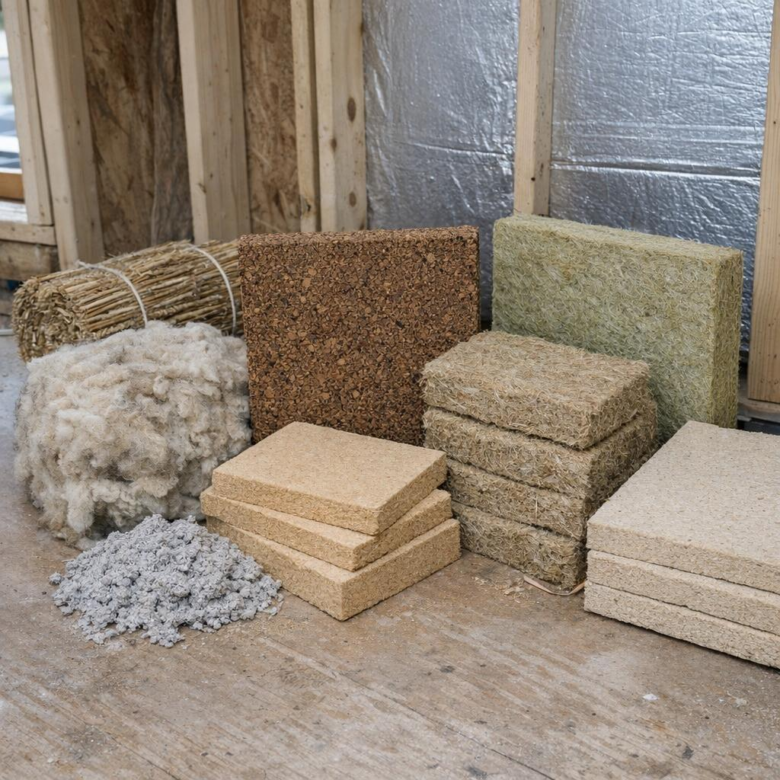
From dense-pack cellulose and wood fiber to sheep’s wool, cork, hemp, and recycled cotton, the right choice depends on climate, budget, wall assembly, and the level of performance you want to achieve.
What Makes Insulation Truly Eco-Friendly for Zero-Energy Homes?
Eco-friendly insulation is not just “natural” or recycled; it must help the home use less energy for decades without creating moisture, indoor air quality, or disposal problems. For zero-energy homes, the best insulation materials combine high thermal performance, low embodied carbon, safe ingredients, and proven durability in airtight building envelopes.
A practical way to judge this is to look beyond the R-value on the label. For example, dense-pack cellulose can be a strong choice in a timber-framed zero-energy home because it uses recycled paper, performs well in wall cavities, and helps reduce heating and cooling costs when installed with proper air sealing.
- Low embodied carbon: Choose materials with Environmental Product Declarations when possible, especially for large projects.
- Moisture control: Match insulation with the right vapor strategy, climate zone, and wall assembly.
- Healthy indoor air: Look for low-VOC products and avoid materials that can release harmful fumes during installation.
In real projects, I’ve seen “green” insulation fail because the builder skipped moisture modeling or used the wrong vapor barrier. Tools like WUFI can help architects, energy consultants, and homeowners test how wall assemblies handle humidity before construction begins.
Cost also matters. The most sustainable insulation is often the one that delivers reliable energy savings, avoids mold remediation, supports lower utility bills, and lasts as long as the building itself.
How to Match Natural and Recycled Insulation Materials to Walls, Roofs, and Floors
Choosing eco-friendly insulation is not just about R-value; it is about where the material sits and how it handles moisture, settling, air leakage, and installation cost. For wall cavities, dense-pack cellulose or recycled denim insulation works well because it fills gaps around wiring and studs, especially in retrofit projects where a blower and thermal camera such as FLIR can reveal missed voids.
Roofs and attics usually need higher thermal performance and better heat control, so cellulose, wood fiber boards, or sheep wool can be strong choices depending on ventilation and climate. In a hot attic, I’ve seen loose-fill cellulose outperform poorly fitted batt insulation simply because it covered odd corners, recessed light areas, and framing breaks more consistently.
- Walls: Use dense-pack cellulose, hemp batts, or recycled cotton where sound control and low-VOC materials matter.
- Roofs: Choose cellulose, wood fiber, or wool with proper vapor control and air sealing to reduce cooling and heating costs.
- Floors: Use cork, wood fiber boards, or mineral-compatible natural batts under suspended floors where compression resistance is important.
For floors over crawl spaces, avoid materials that can sag or absorb moisture unless the area is sealed and dry. A simple moisture meter, blower door test, and a basic energy audit can save money by confirming whether you need more insulation, better air sealing, or both.
The practical rule is simple: flexible materials suit cavities, loose-fill suits irregular spaces, and rigid natural boards suit continuous insulation layers. Matching the material to the assembly helps improve comfort, reduce energy bills, and protect the building envelope long term.
Common Insulation Mistakes That Undermine Zero-Energy Performance
One of the biggest mistakes in zero-energy home construction is treating insulation as a product choice instead of a complete system. Even premium eco-friendly insulation materials like cellulose, hemp, sheep wool, or wood fiber will underperform if air leaks, thermal bridges, and moisture risks are ignored.
A common real-world issue is installing thick attic insulation while leaving gaps around recessed lights, plumbing penetrations, or attic hatches. I’ve seen homes with excellent R-values still fail a blower door test because conditioned air was escaping through small, unsealed openings. Air sealing should come before adding more insulation.
- Skipping energy testing: Use a blower door test and a FLIR thermal camera to find hidden leaks before drywall or final finishes.
- Compressing insulation: Stuffing batts too tightly around wiring or framing reduces performance and can create cold spots.
- Ignoring vapor control: The wrong vapor barrier in a humid or cold climate can trap moisture and lead to mold remediation costs.
Another costly mistake is overlooking rim joists, slab edges, and window rough openings. These areas often cause heat loss in high-performance homes, especially when builders focus only on walls and roof assemblies. Continuous insulation and careful taping with quality air-sealing products can make a noticeable difference.
For best results, ask your insulation contractor for climate-specific recommendations, documented R-values, and proof of air-sealing work. In a zero-energy home, the cheapest insulation installation is rarely the most cost-effective one over time.
Key Takeaways & Next Steps
Choosing insulation for a zero-energy home should start with performance, but it should not end there. The best option is the material that balances low embodied carbon, moisture safety, durability, local availability, and proper installation.
For most projects, prioritize materials that match your climate and wall assembly rather than chasing a single “greenest” product. If budget allows, invest in high-quality air sealing and professional detailing, because even the most sustainable insulation underperforms when installed poorly. A truly eco-friendly home is not just well insulated-it is built to last, use less energy, and avoid creating future environmental costs.