What if your home could cut heating demand before the thermostat ever turned on?
Passive solar heating is not a nostalgic design trick-it is a precision strategy for modern homes that uses orientation, glazing, thermal mass, insulation, and shading to turn winter sunlight into reliable comfort.
Done well, it can reduce energy bills, improve resilience during outages, and make living spaces feel warmer without oversizing mechanical systems.
This guide explains how to optimize passive solar heating for contemporary residential design, balancing performance, aesthetics, climate realities, and year-round comfort.
Passive Solar Heating Fundamentals: Orientation, Solar Gain, and Thermal Mass in Modern Homes
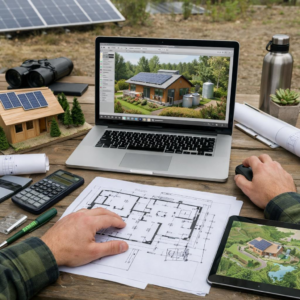
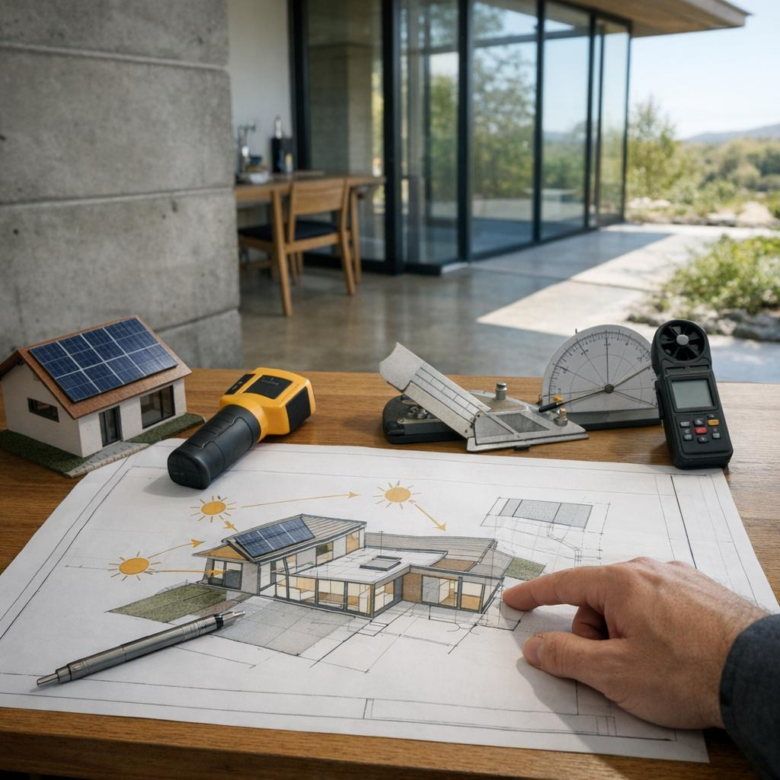
Passive solar heating starts with one simple design decision: put the right glass in the right place. In most cold and mixed climates, that means prioritizing south-facing windows, controlling east and west glazing, and using roof overhangs or exterior shading to reduce summer overheating. A home energy model in SketchUp with solar plugins, or software like EnergyPlus, can help test window placement before construction costs are locked in.
Solar gain is not just about adding bigger windows. High-performance glazing, low-e coatings, insulated window frames, and proper air sealing all affect how much free heat stays inside the home. For example, a modern farmhouse with large south-facing patio doors may feel bright and efficient in winter, but without thermal mass and shading, the same room can become uncomfortable by mid-afternoon.
Thermal mass is the part many homeowners underestimate. Materials such as polished concrete floors, tile, stone, brick, or even a thick interior masonry wall absorb daytime heat and release it slowly after sunset. This can reduce reliance on electric heating, heat pumps, or gas furnaces, especially in well-insulated residential design.
- Use south-facing glazing for winter heat gain where climate allows.
- Pair large windows with thermal mass, not just blinds.
- Model sun angles before finalizing floor plans or renovation drawings.
In real projects, the best results usually come from balance rather than extremes. Too much glass increases cooling load, HVAC cost, and glare; too little limits the benefits of passive solar design. The goal is a comfortable, energy-efficient home that works with the sun instead of fighting it.
How to Design Windows, Shading, and Floor Plans for Efficient Winter Heat Capture
For strong passive solar heating, prioritize south-facing windows in the rooms used most during the day, such as living areas, kitchens, and home offices. In cold climates, high-performance double or triple-pane windows with low-E coatings can reduce heat loss while still allowing useful solar gain. A practical starting point is to model window placement in SketchUp or EnergyPlus before finalizing construction drawings.
Shading should block high summer sun but allow low winter sun to enter. Fixed roof overhangs, exterior awnings, and pergolas work well when sized for the local solar angle, not guessed from a generic chart. I have seen homes with oversized porch roofs lose valuable winter heat simply because the designer treated shade as a year-round benefit.
- Place larger glazing on the south side and limit west-facing glass to reduce overheating.
- Use thermal mass, such as polished concrete, tile, or masonry walls, where winter sunlight directly lands.
- Keep open floor plans along the solar side so warm air can move naturally between spaces.
A real-world example: a narrow urban home can still capture winter heat by using tall south-facing clerestory windows above a neighboring fence line and a concrete slab floor as thermal storage. Pairing this with insulated cellular shades at night improves comfort and lowers heating cost without relying on expensive mechanical upgrades.
Before buying windows, ask for the U-factor, solar heat gain coefficient, and condensation resistance rating. These specifications matter more than brand claims and help compare energy-efficient window options with actual performance in your climate zone.
Common Passive Solar Design Mistakes That Cause Overheating, Heat Loss, and Poor Performance
One of the biggest mistakes in passive solar design is adding too much south-facing glass without matching it to thermal mass, shading, and climate. In a real renovation I reviewed, a living room with large low-e windows gained winter heat beautifully, but by March it overheated every afternoon because the roof overhang was too shallow. More glass is not automatically better.
Poor window selection is another costly issue. The solar heat gain coefficient, U-factor, frame material, and glazing type should be chosen together, not based on window replacement cost alone. A high-SHGC window may help in cold climates, while the same product can increase cooling bills in mixed or warm regions.
- Ignoring shading: Use fixed overhangs, exterior blinds, or deciduous trees to block high summer sun while allowing winter gain.
- Skipping energy modeling: Tools like EnergyPlus or REM/Rate can reveal overheating risks before construction.
- Undersizing insulation and air sealing: Passive solar heating fails when heat escapes through attics, rim joists, ducts, and leaky wall assemblies.
Another common problem is treating passive solar as separate from HVAC design. If the home’s heating and cooling load is not recalculated, the contractor may install oversized equipment, leading to short cycling, humidity problems, and higher utility costs. A smart thermostat helps, but it cannot fix poor envelope design.
Finally, avoid placing thermal mass where the sun never reaches it. Concrete floors, tile, or masonry walls only perform well when they receive direct solar gain and are not buried under thick rugs or furniture.
Expert Verdict on How to Optimize Passive Solar Heating for Modern Residential Design
Passive solar heating works best when it is treated as a design strategy, not an add-on. The right decisions depend on climate, site orientation, glazing balance, insulation quality, and thermal mass. For homeowners and design teams, the practical takeaway is simple: model performance early, avoid oversized south-facing glass, and prioritize comfort across the whole year-not just winter heat gain. When passive solar principles are integrated with airtight construction, shading, and efficient mechanical systems, they can reduce energy demand while improving livability. The smartest choice is a balanced design that captures free heat without creating overheating, glare, or maintenance burdens.