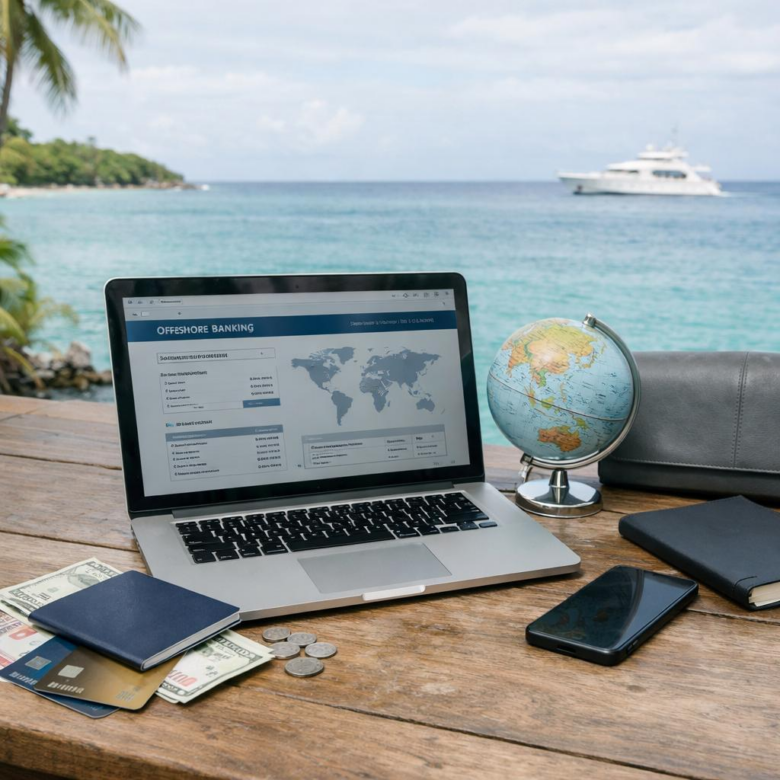
Is your business still banking like it has a local office? For remote founders, the wrong account can quietly drain profits through FX fees, payment delays, and compliance friction.
The best offshore bank accounts are not about hiding money; they are about operating globally with fewer barriers. They help remote business owners receive international payments, hold multiple currencies, and protect cash flow across borders.
But not every “offshore” option is worth your time. Some banks are slow, expensive, or hostile to digital businesses, while modern fintech platforms may offer better speed but weaker jurisdictional protection.
This guide breaks down the strongest offshore banking options for remote entrepreneurs, including what to look for, where to avoid mistakes, and how to choose an account that supports real international growth.
What Makes an Offshore Bank Account Suitable for Remote Business Owners?
A good offshore bank account for remote business owners is not just about holding money in another country. It should make international payments, currency conversion, tax documentation, and daily cash flow easier to manage without requiring you to visit a branch in person.
The first thing to check is multi-currency support. If you invoice clients in USD, get paid by a UK marketplace in GBP, and pay contractors in EUR, an account with competitive foreign exchange rates can reduce hidden costs. Platforms like Wise Business are often useful here because they provide local account details in multiple currencies and clear conversion fees.
Remote founders should also look at how well the account connects with business tools. In practice, this matters more than many people expect. For example, a freelance agency owner receiving payments through Stripe and tracking expenses in Xero will save hours each month if the offshore account supports clean bank feeds, exportable statements, and easy reconciliation.
- Remote onboarding: digital KYC, video verification, and document upload without a physical appointment.
- Payment flexibility: SWIFT transfers, SEPA payments, virtual cards, and low-cost international wires.
- Compliance support: clear monthly statements, proof of funds, and records suitable for accountants or tax advisors.
Security is another major factor. Two-factor authentication, spending controls, card freezing, and transaction alerts are essential when your business is run from laptops, co-working spaces, and different time zones. The best offshore banking option is usually the one that balances reasonable account fees with reliability, compliance, and practical access to your money when you need it.
How to Compare Offshore Banking Jurisdictions, Fees, Currencies, and Account Requirements
Start by matching the offshore banking jurisdiction to your actual business activity, not just its reputation. A remote agency billing U.S. clients may need strong USD payment rails, while an e-commerce founder selling in Europe may care more about SEPA transfers, EUR accounts, and low foreign exchange fees.
Compare each bank on four practical points:
- Jurisdiction and regulation: Look for stable banking laws, clear tax reporting rules, and reliable deposit protection where available.
- Fees and transaction costs: Check monthly account fees, incoming wire charges, SWIFT fees, card fees, and currency conversion margins.
- Account requirements: Review minimum deposits, company documents, proof of address, source-of-funds evidence, and whether remote onboarding is accepted.
For example, a UK Ltd owner living in Thailand might use Wise Business for low-cost multi-currency payments, then keep retained profits in a more traditional offshore business bank account in Singapore or the Channel Islands. This setup can reduce payment friction while still giving access to stronger banking infrastructure.
Do not compare only the advertised monthly fee. In practice, the real cost often comes from intermediary bank deductions, poor exchange rates, compliance delays, and rejected payments from high-risk industries such as crypto, gambling, or certain financial services.
Before applying, prepare a clean document pack: incorporation certificate, shareholder register, invoices, website, contracts, tax residency details, and a short explanation of how money flows through the business. Banks approve faster when your business model is easy to understand.
Common Offshore Banking Mistakes That Can Trigger Compliance, Tax, or Access Problems
One of the biggest offshore banking mistakes remote business owners make is opening an account before their company structure, tax residency, and payment flows are clear. Banks ask tougher questions when income comes from multiple countries, especially if invoices, contracts, and beneficial ownership records do not match.
A common real-world example: a consultant with a Wyoming LLC opens an offshore business bank account, receives payments from EU clients, then transfers funds to a personal account in Asia without clear bookkeeping. That pattern can trigger enhanced due diligence, delayed transfers, or even account closure.
- Mixing personal and business funds: Use separate accounts and accounting software like Xero or QuickBooks to keep clean records.
- Ignoring tax reporting rules: Offshore does not mean tax-free; check CRS, FATCA, VAT, and local corporate tax obligations with a qualified advisor.
- Choosing the wrong bank for your business model: Some banks dislike crypto, high-risk ecommerce, affiliate marketing, or frequent cross-border wire transfers.
Another overlooked issue is using nominee directors or complex offshore company formation services without understanding the compliance cost. Banks now expect proof of substance, such as contracts, a website, invoices, payment processor records, and sometimes local operating expenses.
Before applying, prepare a simple compliance file with your passport, company documents, tax identification number, client agreements, source-of-funds explanation, and expected monthly transaction volume. It saves time, reduces bank account rejection risk, and makes future reviews much less painful.
Key Takeaways & Next Steps
The best offshore bank account is not the one with the most features-it is the one that fits your operating reality. Remote business owners should prioritize regulatory stability, multi-currency access, transparent fees, reliable digital banking, and compatibility with payment processors.
Before opening an account, clarify where your clients pay from, which currencies you hold, how often you move funds, and what compliance documents you can provide. If your business is growing internationally, choose a jurisdiction and bank that can scale with you-not just approve you quickly.
Practical takeaway: compare accounts by usability, compliance burden, and long-term banking resilience, not prestige alone.